Which Siding Material Actually Holds Up in Eugene, OR? An Honest Comparison for the Willamette Valley
Which Siding Material Actually Holds Up in Eugene, OR? An Honest Comparison for the Willamette Valley
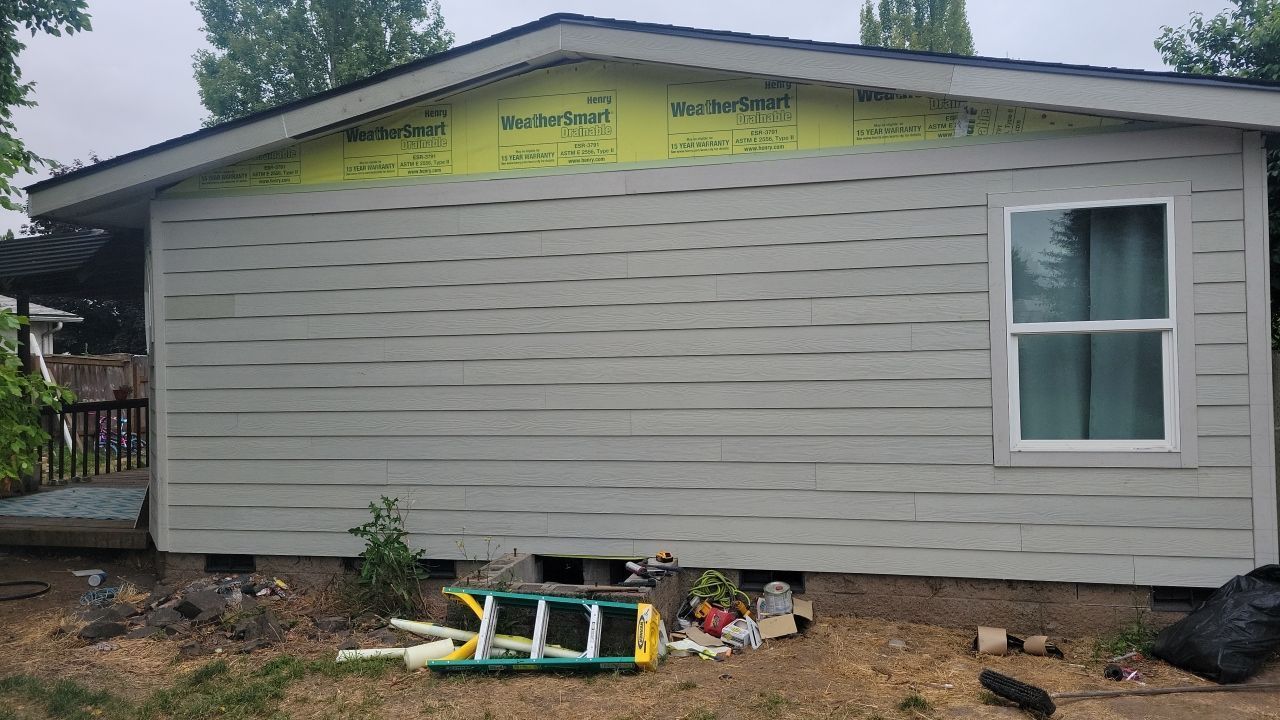
The Willamette Valley's annual rainfall averages around 47 inches and the wet season runs from October through April without much interruption. That means siding on a home here is managing consistent moisture exposure for seven consecutive months every year. Materials that perform adequately in drier markets do not behave the same in this climate, and the failure modes that persistent moisture creates are worth understanding before making a 25-year decision about what goes on the outside of a house.
High Ridge Roofing and Gutters handles siding installation throughout the Eugene area alongside its core roofing and gutter work. The team sees what different materials look like after years in this specific climate, which informs the comparison in ways that a manufacturer spec sheet does not.
What Persistent Moisture Does to Siding
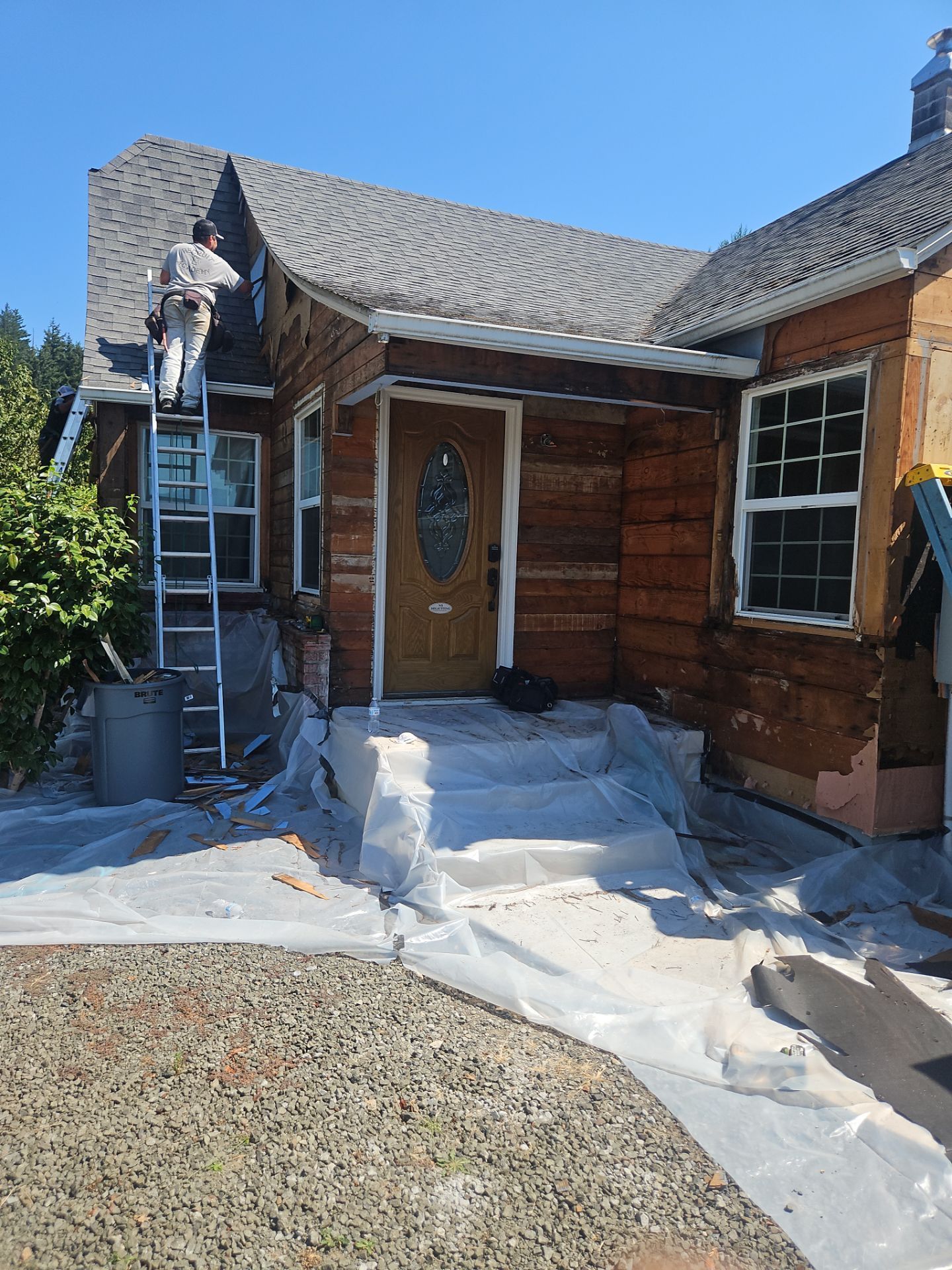
Seven months of wet season does two things to siding. It tests the moisture barrier behind the cladding, because any gap in the installation at a window trim junction, a corner board, or a utility penetration allows water to work its way into the wall assembly. And it tests the surface material itself, because materials that absorb moisture swell, crack, and degrade faster in a climate with a long wet season than in one where a wet month is followed by six dry ones.
Organic growth is the other Pacific Northwest-specific factor. Mold, algae, and moss establish on siding surfaces in conditions where they would not gain a foothold in drier markets. Materials with rough or porous surface textures hold moisture longer and support biological growth faster than smooth, low-absorption surfaces. Growth on siding is not just aesthetic. It traps additional moisture against the surface and accelerates the underlying deterioration it is covering.
Fiber Cement: The Right Answer for Most Homes in This Climate
Fiber cement siding, specifically James Hardie products, performs consistently well in the Willamette Valley for reasons that align directly with what a long wet season demands. It does not absorb moisture the way wood does. It does not crack or warp through repeated wet-dry cycles. It holds paint longer than wood because it is not expanding and contracting with moisture content changes. And it resists organic growth better than more porous materials.
The finish matters in this climate. James Hardie's ColorPlus factory finish provides better long-term adhesion than field-applied paint because it is applied under controlled conditions to a clean surface. Where exterior paint on wood siding in Eugene often needs reapplication within five to seven years, the factory finish on fiber cement extends that interval significantly, which translates into real maintenance savings over time.
The trade-off is upfront cost. Fiber cement costs more than vinyl and considerably more than basic wood. For homeowners planning a long-term stay, the cost differential narrows when maintenance costs over a 20-year horizon are factored into the comparison rather than comparing only the installation price.
Vinyl Siding: Where It Works and Where It Does Not
Vinyl is cost-effective, widely available, and requires minimal maintenance. For the right situation, it is a legitimate choice. The concerns specific to the Pacific Northwest are impact resistance and color retention. Thicker vinyl products in the 0.044 inch range or higher hold their profile better through temperature swings, resist impact better, and fade less noticeably than standard thin vinyl over time.
The critical variable with vinyl here is installation quality at the trim junctions around windows, doors, and corners. Vinyl is water-resistant at the surface, not inherently moisture-proof. The housewrap behind it and the flashing at every penetration determine whether water reaches the wall assembly. A vinyl installation with compromised flashing performs no better than a fiber cement installation with the same deficiency. The cladding material is not what keeps water out. The installation behind it is.
Wood and Engineered Wood: The Maintenance Commitment
Traditional wood siding requires more maintenance in this climate than most homeowners want to sustain over decades. In a seven-month wet season, wood siding needs consistent paint attention, prompt repair of any surface failures, and careful management of trim and caulk at every joint and penetration. Without that commitment, wood deteriorates faster in the Willamette Valley than in most other markets.
Engineered wood products offer better moisture resistance than traditional wood while maintaining a genuine wood appearance. They perform better in wet climates than standard wood and are worth considering when the aesthetic of wood is a priority and the budget sits between standard vinyl and fiber cement.
What the Installation Behind the Siding Determines
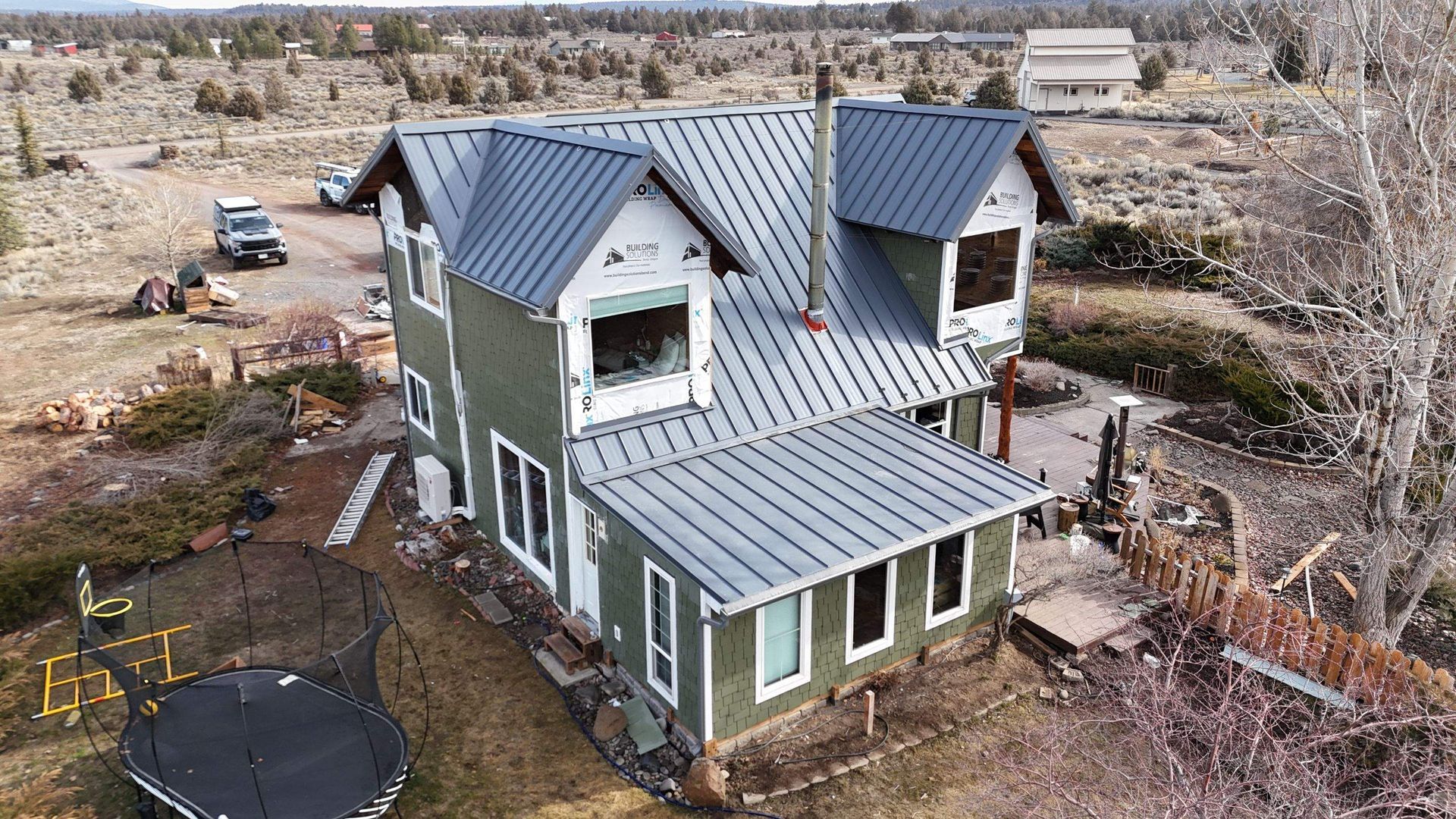
The best siding material installed over a compromised moisture barrier performs no better than an average material installed correctly. The housewrap, window flashing, and detailing at every utility penetration, corner, and trim junction are what keep water out of the wall assembly regardless of which cladding goes on the outside. High Ridge Roofing's siding installation work covers the full scope from substrate to finish surface.
If a roof replacement or gutter work is already planned, coordinating siding installation at the same time allows the transition between all three systems to be detailed correctly as a single project, which is both more efficient and better for long-term moisture performance than doing them separately.
High Ridge Roofing and Gutters: Eugene's Siding Installation Specialists
High Ridge Roofing and Gutters serves Eugene and the Willamette Valley with siding installation alongside core roofing and gutter services. Owner Tim Childress and the team bring over 35 years of combined experience with Oregon's exterior conditions. CCB licensed, bonded, and insured. BBB A+ rated with over 140 five-star reviews. Free siding assessments and material consultations with no pressure to commit on the day of the visit.
Schedule a Free Siding Consultation
If you are comparing siding options and want a recommendation based on what actually holds up in this climate, contact High Ridge Roofing for a free assessment. Call (541) 357-4953 to speak with the team directly.
Frequently Asked Questions About Siding Installation in the Willamette Valley
What is the best siding material for the Pacific Northwest's wet climate?
Fiber cement, specifically James Hardie products, performs most consistently in a long wet season. It does not absorb moisture the way wood does, holds paint longer, and resists organic growth better than more porous materials. Thicker vinyl products perform adequately when installed correctly with proper housewrap and flashing. The installation quality behind the cladding matters as much as the material itself.
How long does fiber cement siding last in Oregon?
Properly installed fiber cement typically lasts 30 to 50 years in Pacific Northwest conditions. Actual lifespan depends on paint maintenance on non-factory-finished products, installation quality at trim and flashing points, and how promptly surface damage is repaired. James Hardie's ColorPlus factory finish extends the repaint interval significantly compared to field-applied paint in a wet climate
Does vinyl siding hold up in Oregon's rainy season?
Thicker vinyl products in the 0.044 inch range or higher perform adequately in the Willamette Valley when installed correctly. Standard thin vinyl shows color fading and profile deformation faster through the region's temperature swings. The most important variable is the moisture barrier and flashing behind the vinyl, not the cladding surface itself, because that is what determines whether water reaches the wall assembly
How long does siding installation take?
Most residential siding replacement projects take three to five days depending on home size, the amount of trim work involved, and whether substrate or moisture barrier issues are found when old siding is removed. High Ridge Roofing assesses current wall conditions before quoting so the timeline reflects the actual scope rather than a best-case assumption that changes mid-project.
Should I replace siding and roof at the same time?
If both systems are approaching end of life, doing them together is more efficient and produces better long-term moisture performance because the transition between roof, siding, and gutters can be detailed correctly as a coordinated project. Doing them separately means the first contractor's work gets partially undone or worked around by the second, which is both inefficient and a source of potential infiltration at junction points.
Does High Ridge Roofing install James Hardie siding in Eugene?
Yes. High Ridge Roofing installs James Hardie fiber cement siding products as part of its siding installation services in the Willamette Valley. The team covers the full James Hardie product and color range during the free consultation, including ColorPlus factory-finished options that provide extended repaint intervals compared to field-applied finishes in Oregon's wet climate.