
Is Your Roof Ready for the High Desert? Asphalt Shingle Diagnostics in Bend OR
Is Your Roof Ready for the High Desert? Asphalt Shingle Diagnostics in Bend OR
Homeowners in Bend, OR, live in one of the most beautiful but demanding climates in the Pacific Northwest. Unlike the damp, mild conditions of the Willamette Valley, the High Desert presents a unique set of challenges for residential roofing systems. From intense high elevation UV radiation to rapid temperature swings and heavy winter snow loads, your asphalt shingles are under constant environmental stress. Identifying the early signs of roof fatigue is essential to avoiding the high cost of emergency structural repairs or premature replacement. In this diagnostic guide, we will explain how the Bend climate affects asphalt shingles and what specific symptoms you should look for to determine the health of your home’s primary defense.
The Impact of High Desert Climate on Asphalt Shingles
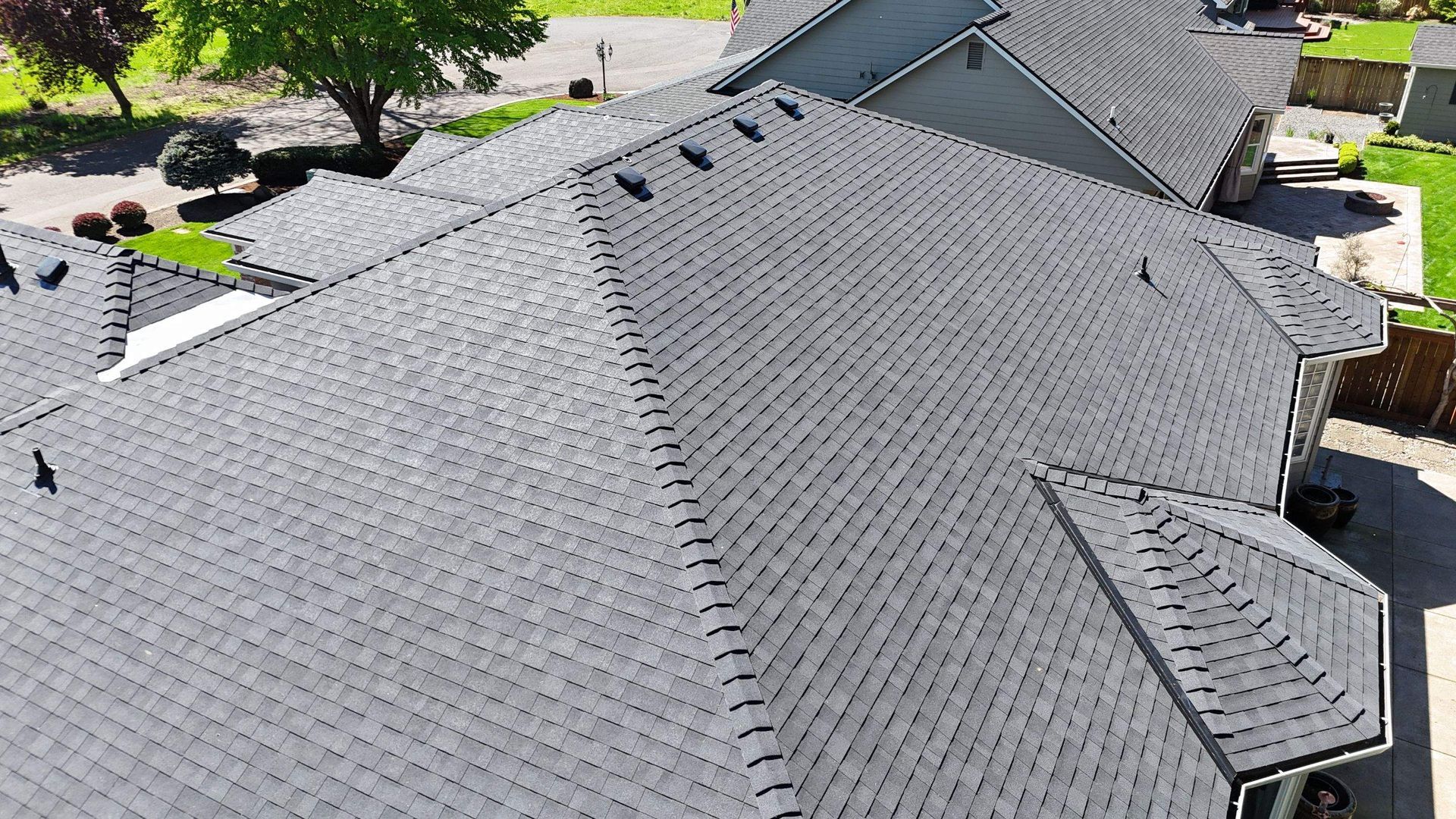
The environment in Central Oregon is significantly different from other parts of the state. At an elevation of over 3,600 feet, Bend receives much more intense ultraviolet exposure than lower elevation cities. These UV rays act as a constant abrasive force on asphalt shingles, breaking down the chemical bonds in the asphalt and causing the protective granules to loosen. When these granules wash away, the underlying asphalt is exposed to the sun, leading to a brittle surface that is prone to cracking.
Furthermore, Bend is famous for its wide diurnal temperature swings, where the thermometer can drop 40 degrees or more once the sun goes down. This causes a phenomenon known as thermal shock. As the roofing materials rapidly expand during the hot afternoon and contract in the freezing night air, the shingles and the underlying decking undergo immense physical stress. Over time, this repeated movement can cause shingles to curl, buckle, or even split, compromising the waterproof seal of your home.
Key Diagnostic Signs of Shingle Failure
A thorough roof assessment involves looking for both obvious and subtle indicators of wear. While some issues can be spotted from the ground, others require a closer look at the material’s integrity.
Granule Accumulation in Gutters
One of the most reliable early warning signs of shingle aging is finding a significant amount of "sand" or granules in your gutters and downspouts. These granules are the "sunscreen" for your roof. Once they are gone, the shingles lose their fire resistance and their ability to shed water effectively. If you see bald spots on your shingles where the dark asphalt is clearly visible, your roof has reached a critical stage of UV degradation.
Curling and Buckling Edges
When shingles begin to curl upward at the edges or "cup" in the center, it is often a sign of two possible issues: extreme age or inadequate attic ventilation. In the Bend climate, if heat and moisture are trapped in your attic during the winter, it can "cook" the shingles from the underside, causing them to distort. This distortion creates gaps that allow wind-driven rain or melting snow to seep beneath the surface. For homeowners in neighborhoods like Northwest Crossing or Awbrey Butte, where wind exposure can be higher, these lifted edges are particularly vulnerable to blow offs.
Cracking and Thermal Splitting
Deep cracks that run through the body of the shingle are a direct result of the thermal shock mentioned earlier. Unlike surface "crazing" which is often cosmetic, deep vertical or horizontal splits mean the shingle is no longer a contiguous waterproof barrier. These cracks often align with the joints in the plywood decking beneath, indicating that the roof is struggling to manage the expansion and contraction cycles.
The Role of Snow Loads and Ice Damming
Winter in Central Oregon brings another diagnostic challenge: ice dams. When snow sits on a roof, the heat escaping from the home can melt the bottom layer of snow. As that water runs down to the colder eaves, it refreezes, creating a dam of ice that prevents further runoff. This trapped water then backs up under the asphalt shingles and into the attic.
If you notice large icicles forming consistently in the same spot every winter, or if you see water stains on your interior ceiling near the exterior walls, you likely have an ice damming issue. This often points to a need for improved insulation or specialized ice and water shield membranes. Ensuring your gutter systems are clear before the first snowfall is a vital part of managing this risk, as clogged gutters provide the perfect foundation for ice dams to grow.
Cost Considerations for Diagnostic Repairs
Catching these issues early during a diagnostic check can save thousands of dollars. A targeted repair to replace a few cracked shingles or reseal a section of flashing typically costs between $500 and $1,500. In contrast, if the damage is ignored and leads to structural rot in the roof deck, a full asphalt shingle roofing replacement can range from $12,000 to $20,000 or more depending on the size of the home.
Investing in a professional assessment after a particularly harsh winter or a series of high wind events is a proactive way to manage your home's value. A qualified contractor can tell you if a simple tune up is enough to get another five years out of your roof or if the material has reached the end of its functional life.
When to Call a Professional Contractor
Roof diagnostics can be dangerous and difficult for a homeowner to perform alone. Walking on a roof that has lost its granules is like walking on a floor covered in ball bearings, and steep pitches require professional safety gear. You should contact a specialist if you see active leaks, notice shingles in your yard after a storm, or if your roof is approaching the 18 to 20 year mark.
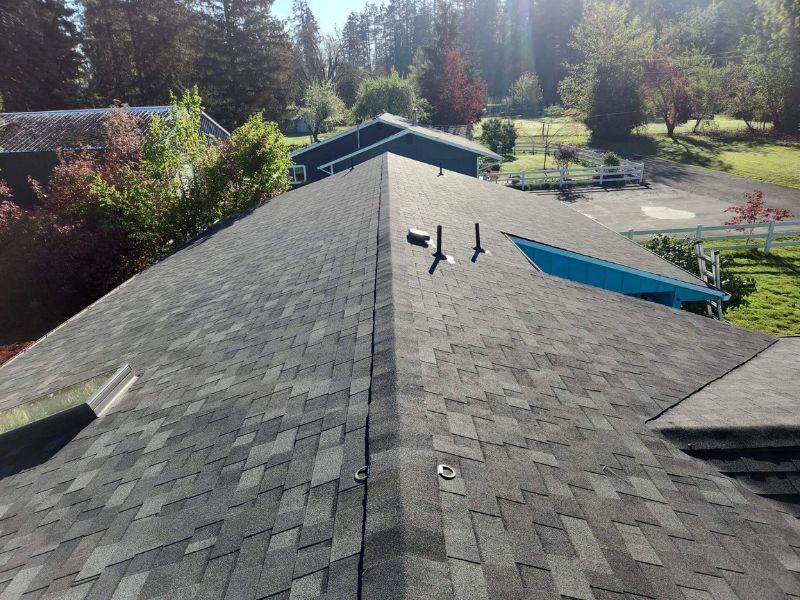
A professional asphalt shingle roofing expert will not only look at the shingles but will also inspect the "penetration points" like chimney flashing, skylight seals, and plumbing vents. These are the areas where most leaks actually begin. To see the full scope of how we help Central Oregon homeowners, you can browse our complete roofing services for both repair and replacement options.
Local Expertise and Authority
High Ridge Roofing and Gutters is a licensed and insured contractor with a dedicated presence in Bend. We understand that a roof in Old-Mill District has different needs than a home in the pines of Deschutes River Woods. Our team is trained to identify the specific failure patterns common to Central Oregon and we use materials that are rated for the high wind and heavy snow loads of our region.
We take pride in our "no pressure" diagnostic approach. Our goal is to provide you with the facts about your roof's condition so you can make an informed decision. Whether it is a minor repair to stop a leak or a full system upgrade, we use high quality products from manufacturers like Malarkey and Owens Corning that are engineered for performance in the High Desert.
Schedule Your Roof Diagnostic in Bend
Don't wait for a ceiling stain to tell you your roof is failing. Early detection is the key to extending the life of your asphalt shingles and protecting your home's interior. Our experienced team is ready to provide a comprehensive evaluation and a clear report on your roof’s health. You should reach out to us today to schedule an inspection. Let High Ridge Roofing and Gutters ensure your home is ready for the coming season with expert asphalt shingle roofing services in Bend.
Quick Answers for Bend Homeowners
How long do asphalt shingles typically last in Bend?
In the High Desert climate, a standard asphalt shingle roof usually lasts between 15 and 20 years. This is slightly shorter than the national average due to the intense UV exposure and extreme temperature swings. Regular maintenance and proper attic ventilation are the two biggest factors in reaching the 20 year mark.
Why are my shingles curling even though the roof is only 10 years old?
Premature curling is almost always a sign of poor attic ventilation. If the hot air in your attic cannot escape during the summer, it "bakes" the shingles from underneath, causing the asphalt to dry out and the edges to lift. Improving your ridge or soffit vents can often stop this process from getting worse.
Is it normal to see some granules in the gutters of a new roof?
Yes, it is normal to see a small amount of loose granules in the gutters for the first year after a new installation. These are simply "over-shucked" granules from the manufacturing process. However, if you see a large volume of granules or if you can see the black asphalt through the shingle surface, that is a sign of a problem.
What is the best way to prevent ice dams in Bend?
The best way to prevent ice dams is a combination of adequate attic insulation and a balanced ventilation system. This keeps the roof deck at a uniform temperature, preventing the snow from melting and refreezing at the eaves. We also install specialized ice and water shields under the shingles at the eaves for added protection.
Can a single cracked shingle lead to a major leak?
Yes. While one crack might not cause a flood immediately, it allows moisture to reach the plywood decking. Over time, this causes the wood to rot and can lead to mold growth in the attic. Once the decking is compromised, the repair becomes much more expensive, so it is best to fix individual cracked shingles as soon as they are found.