How to Choose the Best Commercial Roofing System for Your Redmond Business
How to Choose the Best Commercial Roofing System for Your Redmond Business
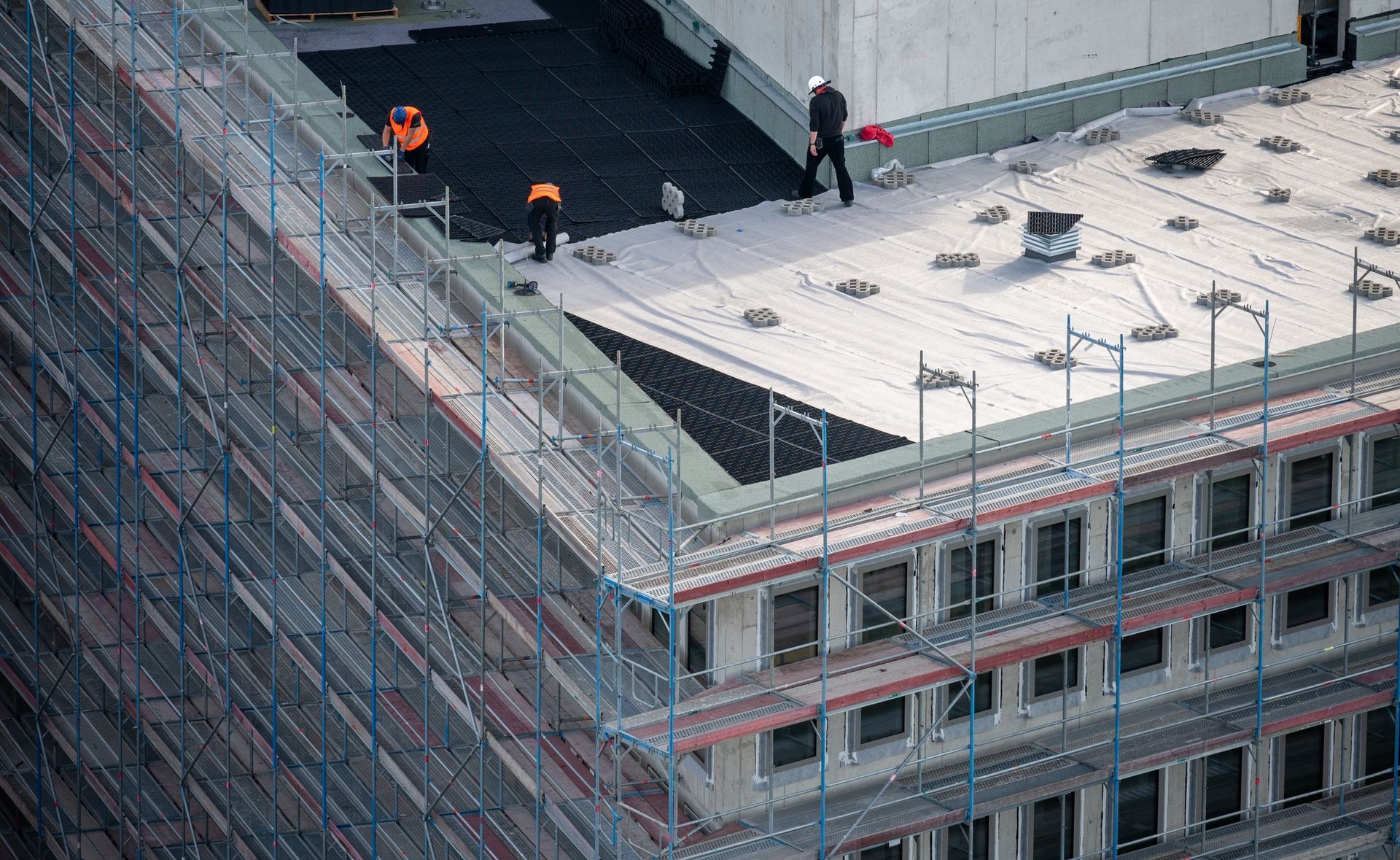
Business owners in Redmond, OR, understand that a commercial roof is more than just a structural necessity. It is a significant capital investment that protects inventory, equipment, and employees from the unique environmental demands of the High Desert. Whether you are managing a retail space near the downtown core or a large industrial warehouse near the airport, the health of your roofing system dictates the long term viability of your facility. Choosing the right material and contractor requires a balance of understanding local weather patterns, specialized installation techniques, and long term maintenance requirements. In this guide, we will break down the essential factors for selecting a commercial roofing system that stands up to the Central Oregon sun and snow while providing the best return on your investment.
Understanding Commercial Roofing Challenges in Central Oregon
Commercial properties in Redmond face a specific set of environmental stressors that differ significantly from the Willamette Valley. The High Desert climate is characterized by intense ultraviolet (UV) exposure and significant temperature swings. These daily thermal shifts cause roofing materials to expand and contract rapidly, a process known as thermal shock. Over time, this can lead to split seams, brittle membranes, and premature failure if the material was not engineered for such conditions. If you are noticing these signs on a residential property instead, you might want to look into our roofing services to see how different materials react to these shifts.
Furthermore, winter in Redmond brings dry, heavy snowfall and the occasional ice dam. Unlike residential sloped roofs, commercial flat or low slope roofs must manage the weight of this snow while ensuring that meltwater has a clear, unobstructed path to drains and scuppers. Understanding these local variables is the first step in moving from a reactive mindset to a proactive asset management strategy.
Popular Commercial Roofing Systems for Redmond Facilities
Selecting a roofing membrane depends heavily on your building’s use case and your long term goals for the property. Most modern commercial buildings in the region utilize one of three primary systems.
Single-Ply Membranes (TPO and PVC) Thermoplastic Polyolefin (TPO) and Polyvinyl Chloride (PVC) are the most common choices for flat roofs today. These white or light gray membranes are highly reflective, which is a major advantage during Redmond’s hot summer months. By reflecting UV rays, these systems help lower cooling costs and reduce the thermal load on your HVAC system. PVC is particularly noted for its resistance to chemicals, grease, and fire, making it a preferred choice for restaurants or manufacturing plants. When considering these systems, it is often helpful to contact our team to discuss which membrane fits your specific industry.
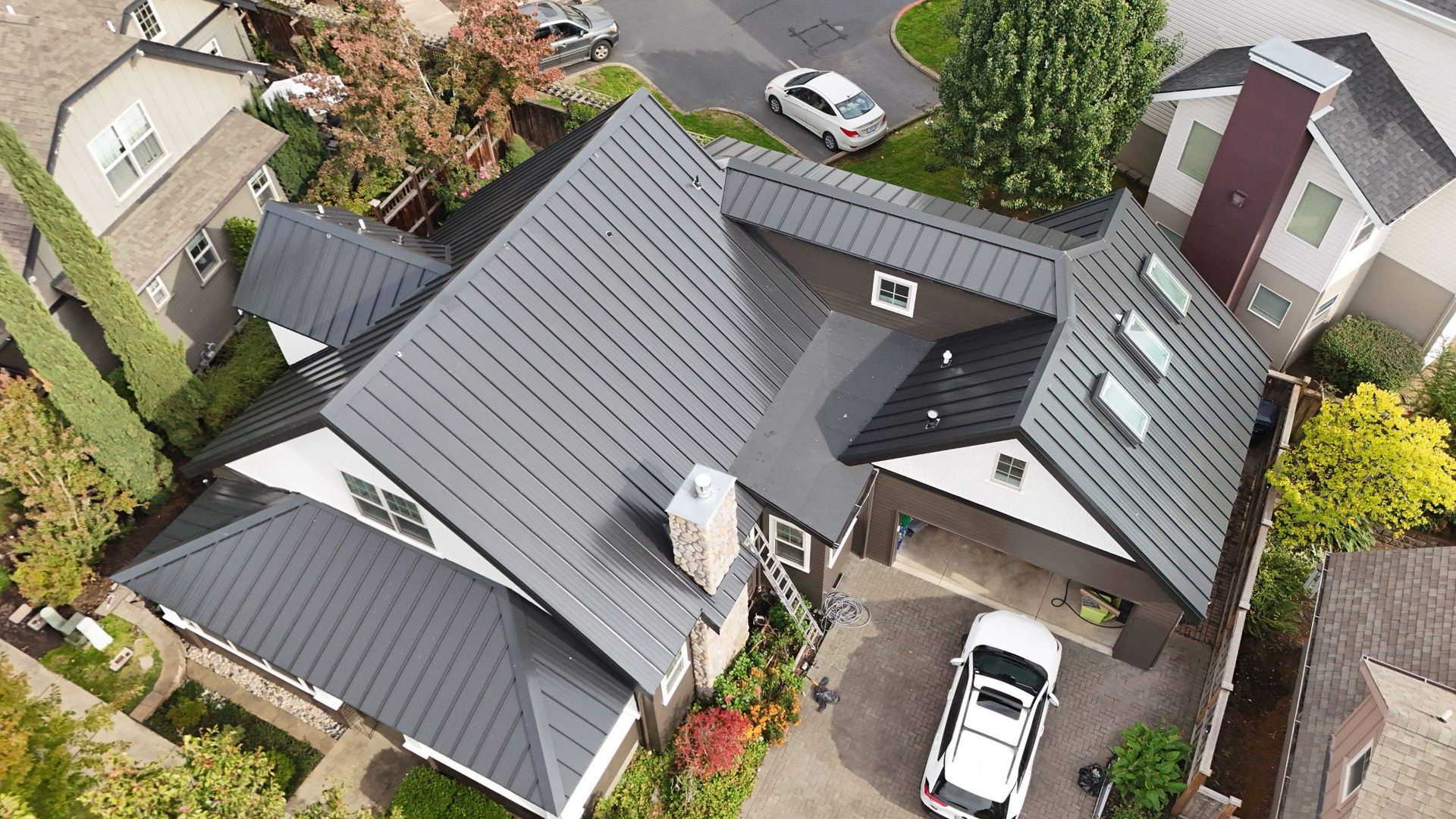
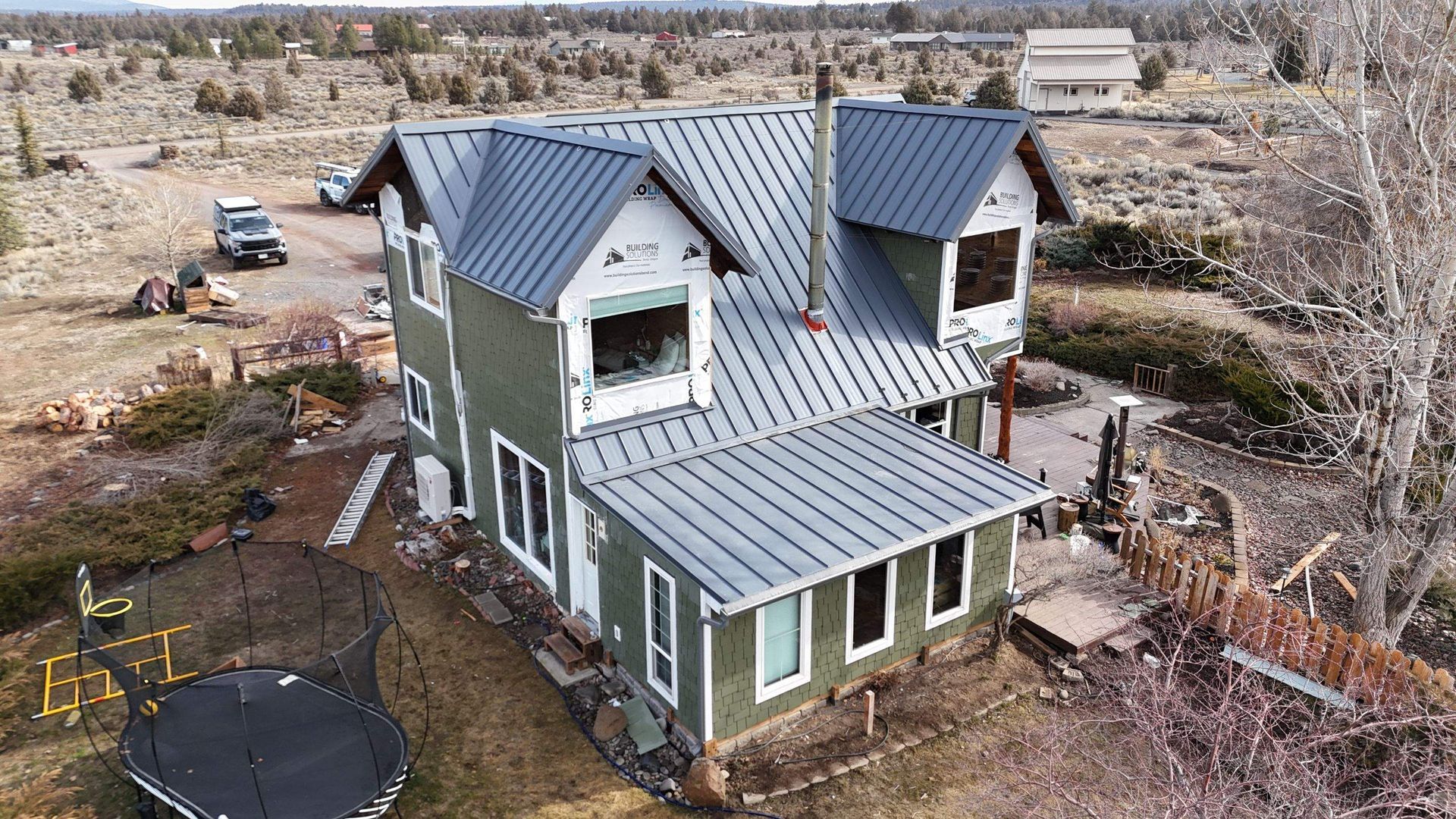
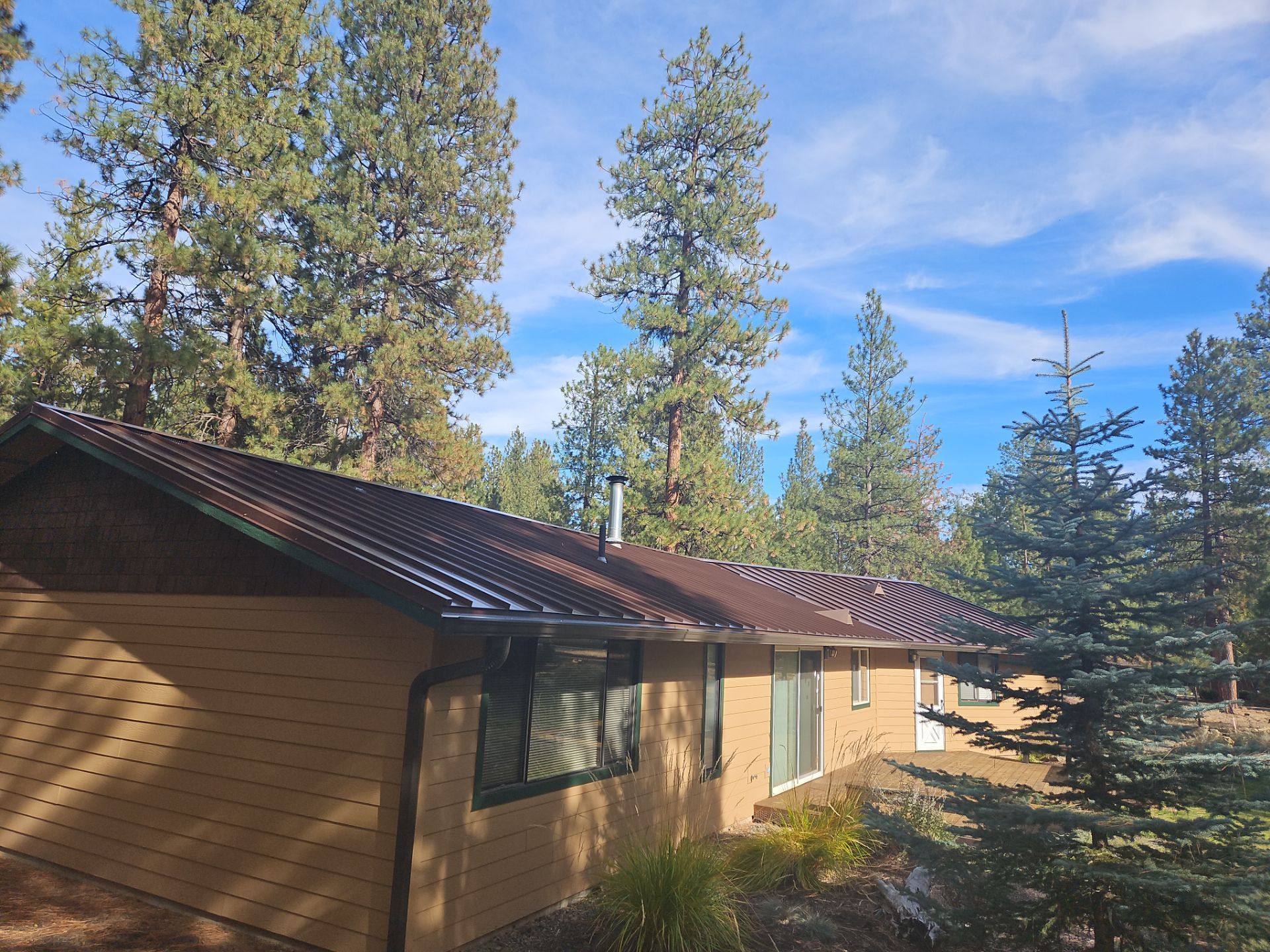
Metal Roofing For commercial buildings with a bit more slope, standing seam metal roofing offers unmatched longevity. Metal is excellent at shedding snow quickly and is virtually impervious to the high winds that can sometimes sweep across the Deschutes County plains. While the upfront cost is higher than single-ply options, a well-installed metal roof can last fifty years or more with minimal maintenance.
EPDM (Rubber Roofing) Ethylene Propylene Diene Terpolymer (EPDM) is a durable synthetic rubber membrane. It is known for its ability to withstand extreme cold without becoming brittle. While it is traditionally black and absorbs more heat than TPO, it remains a robust option for buildings where durability and ease of repair are the primary concerns.
Signs Your Commercial Roof Needs Professional Attention
It is easy to ignore a commercial roof until a ceiling tile starts dripping, but by then, the damage is often extensive. Regular inspections are vital for identifying issues before they compromise your operations.
One of the most common signs of trouble is ponding water, which is defined as water that remains on the roof surface for more than 48 hours after a storm. This extra weight can stress the structural deck and indicates that your drainage system may be failing or that the roof insulation has compressed. You should also look for flashing failures around vents, HVAC units, and parapet walls. Because these areas involve the joining of different materials, they are the most likely spots for leaks to develop as the building settles or shifts due to temperature changes.
Inside the building, keep an eye out for musty odors, mold growth near the ceiling, or unexpected spikes in your energy bills. These are often the first indicators that your roof's insulation has become saturated, losing its R-value and forcing your heating and cooling systems to work harder. If your property also utilizes gutters to manage runoff, ensuring you have functional gutter systems is a critical secondary defense against water intrusion.
Cost Factors for Redmond Commercial Roofing
The cost of a new commercial roof is not determined by square footage alone. Several variables will influence the final estimate for your project.
- Material Choice: TPO is generally more budget friendly than high end PVC or standing seam metal.
- Existing Layers: Oregon building codes often dictate how many layers of roofing can exist on a structure. If your building already has two layers, a full tear off will be required, which increases labor and disposal costs.
- Insulation Requirements: Modern energy codes may require increased insulation thickness, which can add to the material costs but will save money on utilities over time.
- Roof Complexity: A wide open warehouse roof is much faster to install than a roof with dozens of HVAC units, skylights, and specialized vents that require detailed flashing work.
Investing in a quality installation today prevents the recurring costs of emergency repairs and interior damage restoration in the future. You can learn more about our company's commitment to quality on our about us page, where we detail our experience with complex local projects.
When to Call a Professional Contractor
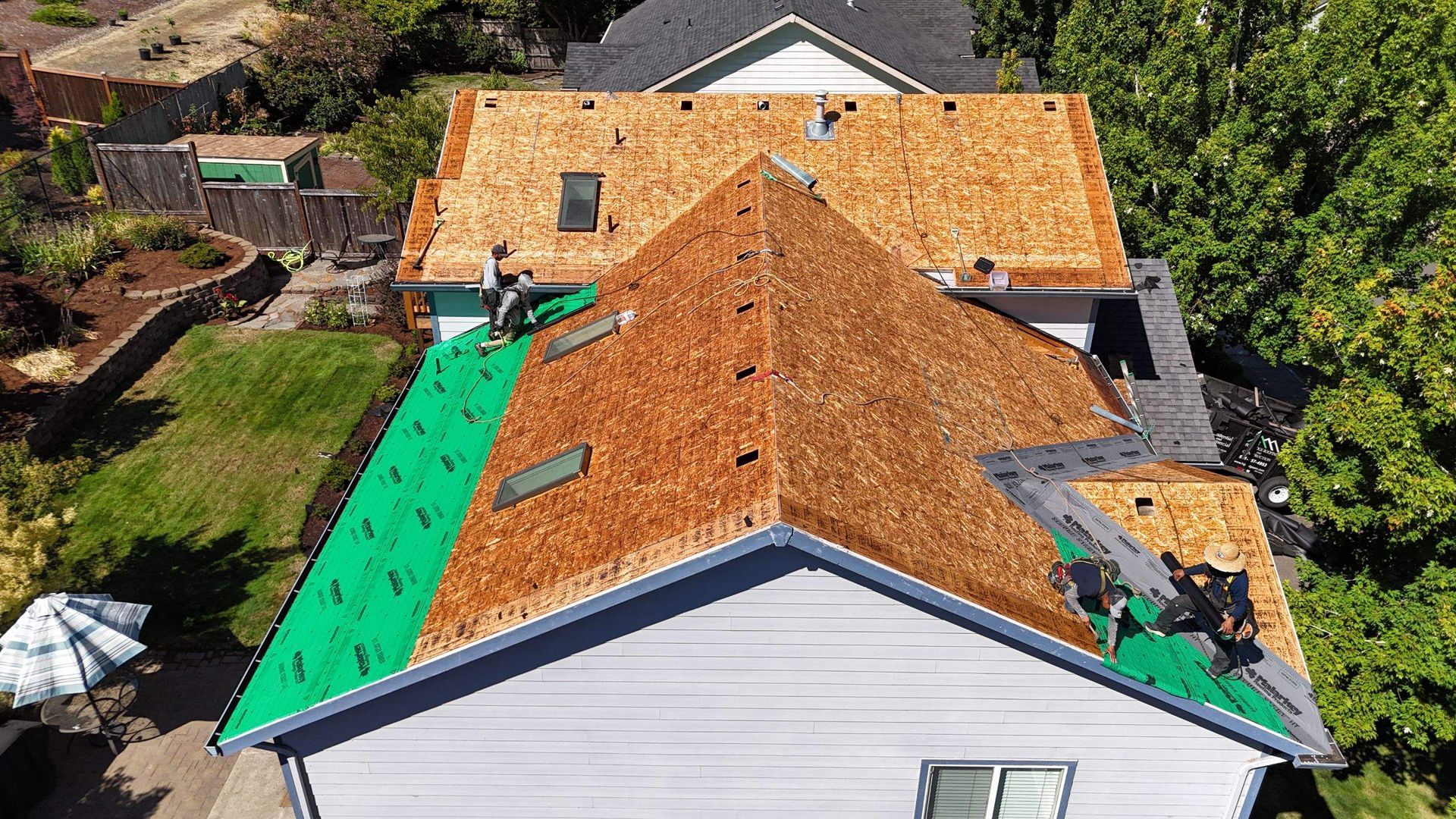
Commercial roofing is not a DIY project or a task for a general handyman. These systems require specialized equipment like hot-air welders for seams and a deep understanding of complex drainage physics. You should contact a specialist if you notice active leaks, see visible cracks in your roof membrane, or if your roof is approaching the 15 to 20 year mark. A professional can provide a core sample analysis to determine if the underlying insulation is dry, which might allow for a more affordable recovery or coating rather than a full replacement.
The Importance of Local Expertise
When you choose a company for your facility, local experience matters. A contractor who understands the building codes and weather patterns specific to Redmond will ensure your roof is built to handle the heavy snow loads and high UV exposure common to the area. Whether you are located near the Juniper Golf Course or in the industrial districts, having a partner who can respond quickly to local weather events is invaluable.
For business owners looking for reliable commercial roofing in the region, working with a team that prioritizes transparency and durability is key. Our crew understands the specific needs of Central Oregon businesses and provides solutions that protect your assets for the long haul.
Professional Authority and Trust
High Ridge Roofing and Gutters is a licensed and insured contractor with years of experience serving the Redmond community. We pride ourselves on maintaining a high standard of safety and professionalism on every job site. Our team stays updated on the latest material technologies and installation techniques to ensure that your commercial property remains dry and efficient. We offer comprehensive warranties that provide peace of mind, knowing that your investment is protected by local experts who stand behind their work. Our goal is to remain the top choice for commercial roofing through consistent results and clear communication.
Schedule Your Commercial Roof Assessment in Redmond
Don't wait for a major storm to test the integrity of your roof. Protecting your business starts with a professional evaluation. If you are concerned about the age or condition of your system, our experts can provide a detailed report and a clear path forward. You should reach out to us today to discuss your specific needs in Redmond and ensure your facility is ready for whatever the Central Oregon climate brings.
Quick Answers for Redmond Business Owners
How long does a commercial roof last in Redmond?
Most commercial TPO or PVC roofs in Central Oregon last between 15 and 25 years. The lifespan depends heavily on the quality of the initial installation and how well the roof is maintained. Regular debris removal and drain cleaning can extend the life of the membrane significantly by preventing ponding water.
Is TPO or EPDM better for the Central Oregon climate?
TPO is often preferred in Redmond because its reflective surface helps manage the high UV exposure and summer heat. This can lead to lower energy costs. However, EPDM is also a strong contender due to its excellent flexibility in freezing temperatures. The best choice usually depends on your building's specific insulation and cooling needs.
Can I install a new roof over my old commercial roof?
In many cases, you can install a new membrane over an existing one, provided there is only one layer currently in place and the underlying structure is sound. However, if the existing insulation is wet or saturated, a full tear off is necessary to prevent rot and structural damage to the building.
How often should I have my commercial roof inspected?
We recommend a professional inspection at least twice a year: once in the spring to check for winter damage and once in the fall to ensure the drainage system is clear before the snow arrives. Extra inspections should be performed after major weather events like high wind storms or heavy snowfall.
What is the best way to handle snow on a flat commercial roof?
The most important factor is ensuring that your drainage system, including internal drains and scuppers, is clear of ice and debris. If snow accumulation exceeds the structural load limit of your building, professional snow removal may be required. Always use a contractor who understands how to remove snow without puncturing the roofing membrane.