Gutter Problems in Springfield, OR: Reading the Warning Signs Before Your Home Pays for Them
Gutter Problems in Springfield, OR: Reading the Warning Signs Before Your Home Pays for Them
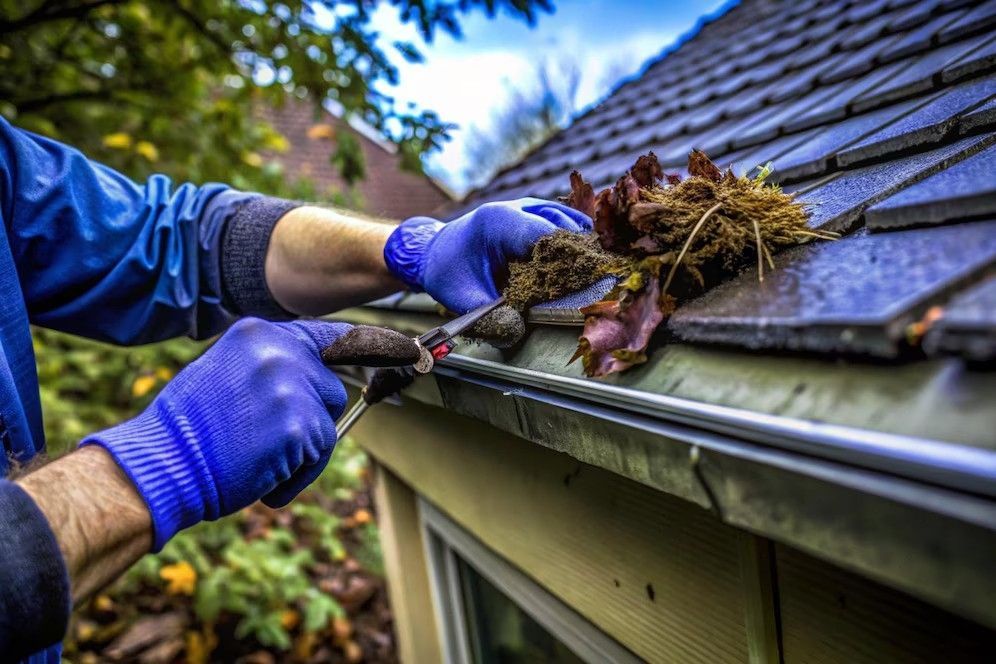
The Willamette Valley's wet season runs from October through April and delivers around 45 to 50 inches of annual rainfall with very little interruption. A gutter system here is doing active, consequential work for seven months of the year, moving roof runoff away from the foundation, the fascia, the soffit, and the siding during dozens of rain events through the long winter. When it fails in this climate, it fails quickly and in ways that compound.
A section overflowing during a normal rainy season event in Springfield is not just an annoyance. It is depositing water at the foundation, against the fascia, and across the siding with each rain, which in this climate means dozens of times through the season before anyone typically notices the consequences downstream.
High Ridge Roofing and Gutters handles gutter installation and service throughout the area. Here is how to read what your gutter system is telling you before the damage moves from the gutters into the structure.
What a Failing Gutter System Does in a Pacific Northwest Climate
In a climate with this rainfall volume and season length, the gutter system protects four things simultaneously. The foundation, by directing runoff away from the perimeter and preventing the consistent soil saturation that contributes to basement moisture and long-term foundation movement. The fascia and soffit, which take direct water contact when gutters overflow or pull away from their attachment point. The siding, which absorbs splash-back from overflow falling along the wall. And the roof deck edge, where consistent moisture from backing-up gutters begins the rot process that eventually shows up as soft decking during a roof replacement inspection.
None of those failure modes announce themselves loudly early on. Foundation saturation builds slowly. Fascia rot starts behind the gutter where it is not visible. Siding moisture intrusion hides under the surface. Roof deck edge deterioration is invisible until tear-off. A gutter system that is failing is working on all four simultaneously through every Pacific Northwest rain event.
Warning Signs That Are Easy to Rationalize
Gutters pulling away from the fascia anywhere along the run are no longer performing correctly. The gap between the gutter lip and the fascia sends water directly behind the gutter and against the wood, which is exactly the wrong outcome in a wet climate. This typically starts at one failed hanger and progresses as the adjacent hangers take the additional load.
Sagging between hangers tells a specific story. A gutter that sags accumulates standing water in the low point rather than draining toward the downspout. Standing water in aluminum gutters corrodes seams and joints. It adds weight that pulls additional hangers loose. And in winter, it freezes into ice that splits seams and pushes sections apart. In a climate where the wet season runs from October to April, a sagging gutter is not a cosmetic issue.
Overflow during normal rain events, even after cleaning, means the system is undersized or pitched incorrectly for the roof area it serves. The Willamette Valley's rainfall intensity during peak winter storms can produce significant water volume in a short window. A five-inch K-style gutter adequate for a small roof in a drier climate may be genuinely undersized on a larger home during a heavy rainy season event.
Staining on siding below the gutter line, erosion or bare soil directly below the roofline, and consistently saturated ground along the foundation perimeter after rain all point toward a system that is not directing water correctly.
Repair vs. Replace: How to Decide
Isolated joint failures, one section that has pulled slightly away, or a single disconnected downspout on an otherwise sound system are repair candidates. Joint resealing, hanger replacement, and downspout reconnection restore function when the surrounding system is intact.
A system sagging in multiple locations, pulling away at several attachment points, showing rust or holes throughout, or consistently overflowing despite correct pitch and clear downspouts has reached end of life. Patching a failed system continues the damage to the fascia and foundation it was supposed to prevent.
High Ridge Roofing installs seamless gutters fabricated on-site to fit the exact dimensions of each run, eliminating the joints where sectional systems most commonly fail. For homes with heavy overhead tree coverage, gutter guards reduce debris accumulation and the overflow that follows during the long rainy season.
High Ridge Roofing and Gutters: Serving Springfield and the Willamette Valley
High Ridge Roofing and Gutters is a family-owned contractor serving the Willamette Valley including the Springfield area. Owner Tim Childress and the team bring over 35 years of combined experience with the drainage challenges that Pacific Northwest rainfall creates for residential properties. CCB licensed, bonded, and insured. BBB A+ rated with over 140 five-star reviews. Free inspections and estimates with no pressure to proceed on the day.
Schedule a Free Gutter Assessment
If your gutter system is showing any of the warning signs above, the inspection is the right place to start. Contact High Ridge Roofing for a free assessment. Call (541) 357-4953 to schedule directly.
Frequently Asked Questions About Gutters in the Willamette Valley
How often should gutters be cleaned in this climate?
Twice yearly is the practical baseline in the Pacific Northwest: once in late fall after leaves drop, and once in spring. Homes with heavy conifer coverage may need cleaning more frequently because needle and debris loads accumulate faster than deciduous leaf drop. Gutter guards significantly reduce cleaning frequency for homes with significant overhead tree coverage throughout the wet season.
What gutter size do I need for a Willamette Valley home?
Five-inch K-style gutters are standard for most residential homes. Larger roof areas, steep pitches, or sections that concentrate high water volume during peak Pacific Northwest rain events benefit from six-inch gutters. High Ridge Roofing sizes the system to the specific roof area and drainage configuration rather than applying a standard size regardless of the home's actual drainage demands.
Why do my gutters overflow even after cleaning?
Overflow after cleaning points to an installation issue rather than a maintenance one: incorrect pitch so water pools instead of flowing toward the downspout, an undersized downspout for the water volume it handles, or an undersized gutter for the roof area it serves. A professional assessment identifies which applies so the right fix is made rather than repeated cleaning that does not address the actual cause
How long do seamless gutters last in Oregon's wet climate?
Aluminum seamless gutters properly installed and maintained typically last 20 to 30 years in Pacific Northwest conditions. The critical factor is keeping joints sealed, hangers intact, and the system clear of debris that causes standing water, which is the primary driver of accelerated corrosion and seam failure in a high-rainfall climate with a long wet season.
Can gutter problems cause roof damage?
Yes. Gutters that overflow or back up push water against the fascia and under the eave. Consistent moisture at the roof deck edge causes softening and eventual rot, which shows up as a more involved repair during a roof replacement inspection. A functioning gutter system protects the roof edge as directly as it protects the foundation, which is not always obvious until the damage is discovered during tear-off.
Does High Ridge Roofing install gutter guards?
Yes. Guards are installed alongside new gutter systems or on existing ones. For homes with significant overhead tree coverage, guards are worth the additional investment because they reduce cleaning frequency and prevent the debris accumulation that drives overflow during the Willamette Valley's wet season. Installing guards during a new system is less costly than retrofitting them to an existing installation later.