
Planning a New Roof Installation in Sisters, OR Before Winter: Why the Timing Window Is Shorter Than You Think
Planning a New Roof Installation in Sisters, OR Before Winter: Why the Timing Window Is Shorter Than You Think
Central Oregon's east Cascade climate does not behave like the Willamette Valley. Up here at roughly 3,200 feet, the temperature swings are real, the snowfall is genuine, and the UV exposure is substantially higher than the cloud-covered west side of the mountains. A roof in this environment takes a different kind of beating across the seasons: summer heat and UV that accelerates granule loss, autumn freeze-thaw cycles that stress every sealant and flashing, winter snow loads that pressure the decking, and spring snowmelt that tests every drainage detail.
Most homeowners in Sisters replace a roof after something makes it necessary. A winter storm reveals a leak. The spring inspection after the snow clears turns up damage that has been building under the pack for months. The smarter path, from both a cost and quality standpoint, is planning a new roof installation before the Central Oregon winter locks the schedule and complicates the installation.
What the Freeze-Thaw Cycle Does to an Aging Roof
The primary structural stressor on roofing in this part of Oregon is the freeze-thaw cycle. Temperatures cross the freezing threshold repeatedly through late fall and early spring, meaning water that has found any small entry point expands when it freezes and contracts when it thaws. Each cycle works the opening wider. A small gap around a pipe boot or at a flashing transition in October becomes a meaningfully larger problem by March.
An aging roof that might have held through another rainy season on the west side of the mountains may not hold through a Central Oregon winter. The combination of freeze-thaw stress, snow load, and UV-accelerated surface degradation compresses the timeline. A roof that looks borderline in September should be taken seriously before the first snow, not evaluated again in spring.
Why Fall Installation Makes Practical Sense
Installing a new roof in fall gives the job everything it needs to go smoothly. Asphalt shingles require minimum temperatures for adhesive strips to seal properly between courses. The warm-to-mild temperatures of September and October in Central Oregon are ideal for this. Cold weather installations are technically possible but require material and method adjustments that add complexity and cost without improving the outcome.
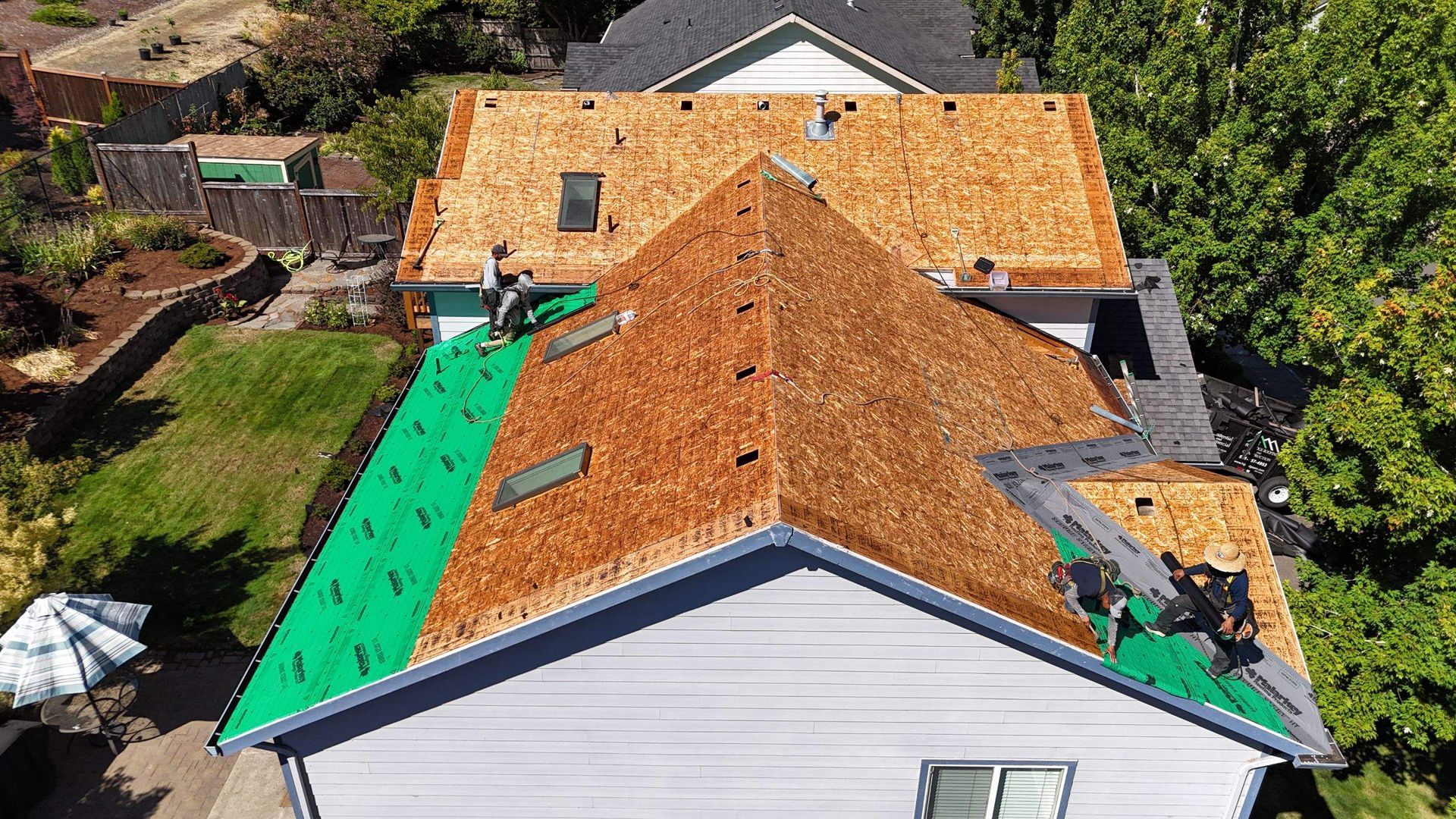
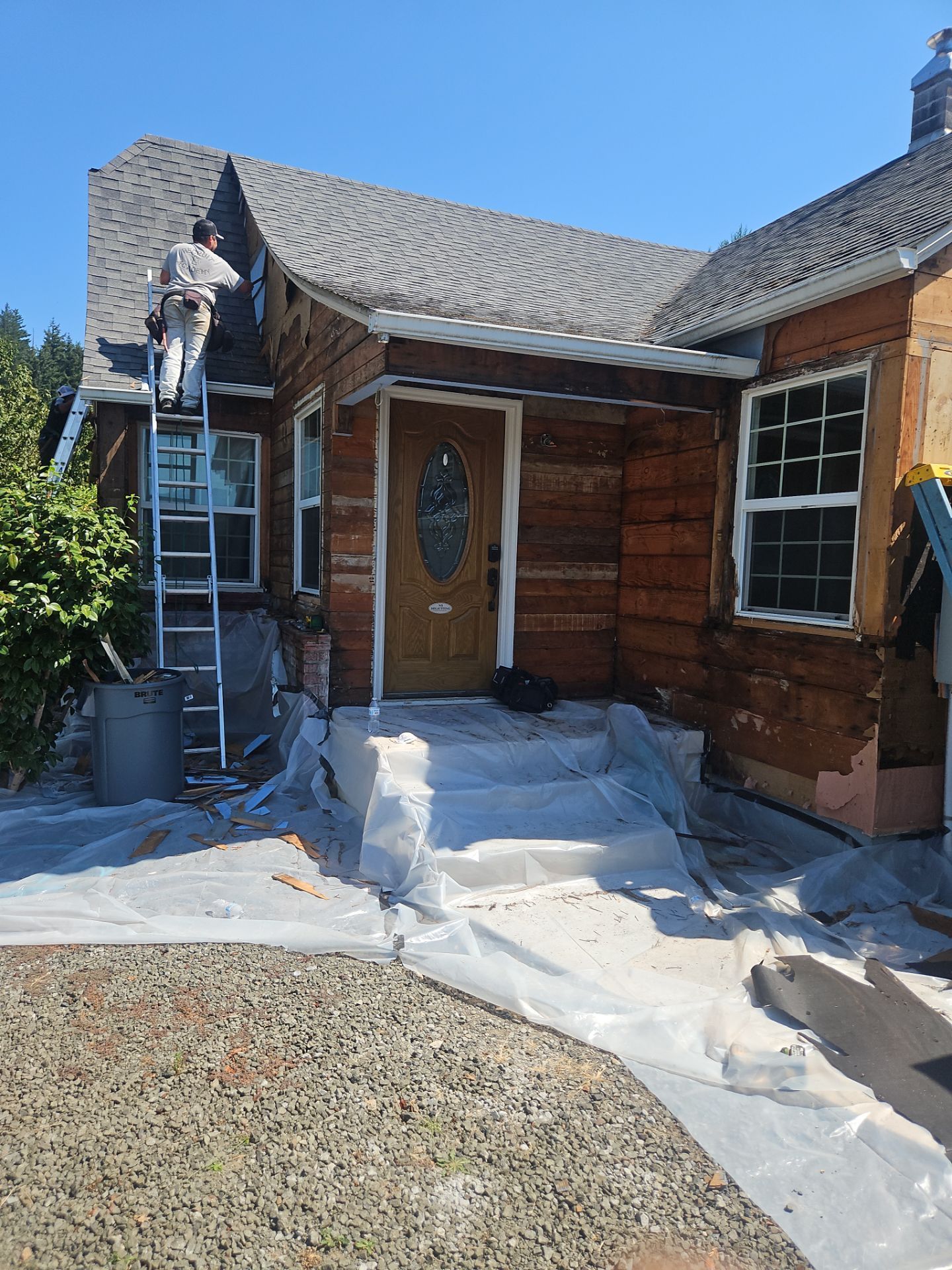
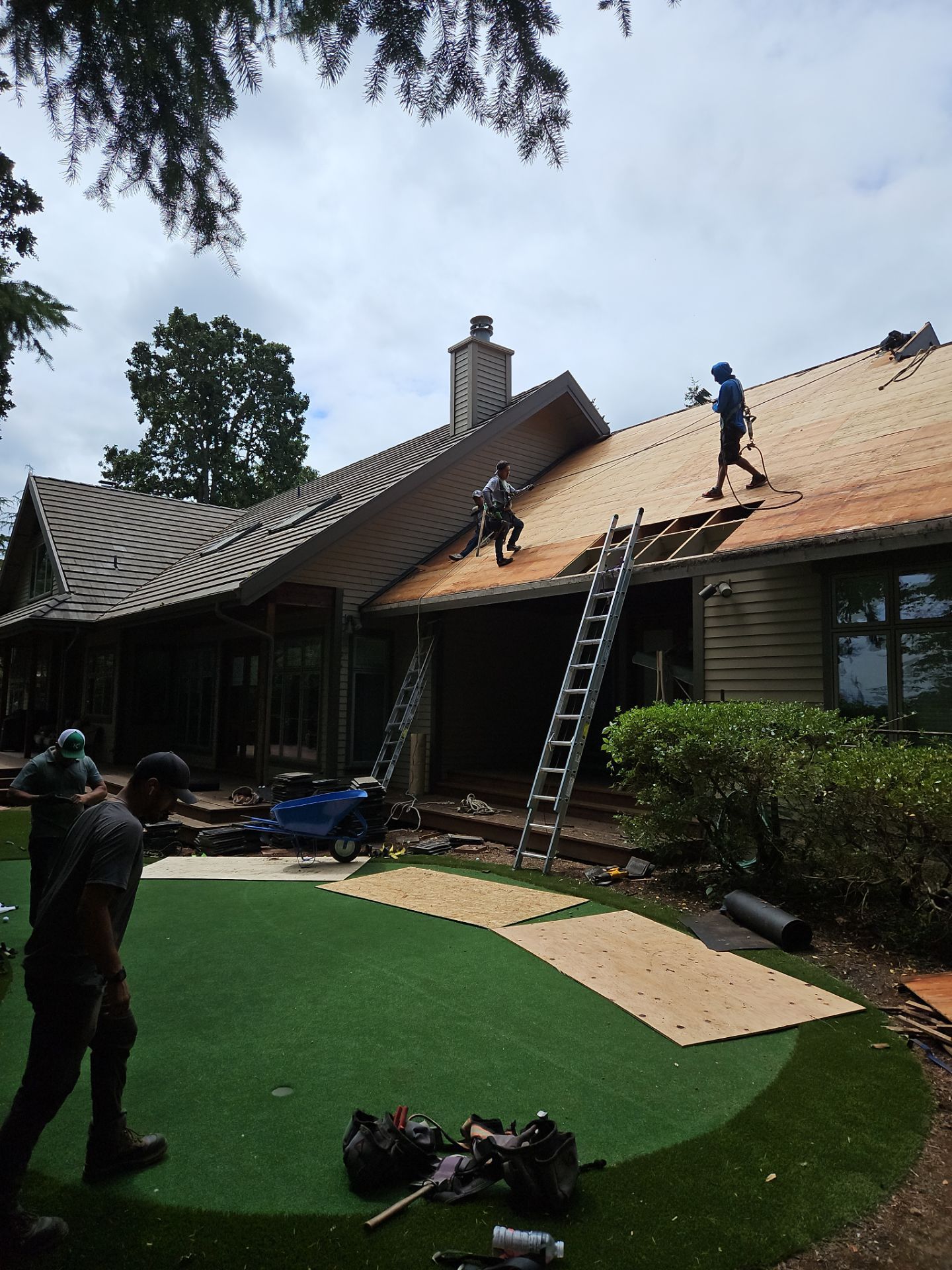
Fall installation also means the new roof is fully sealed and performing before its first significant weather test. A roof installed in October that comes through a January storm is one the homeowner can trust. High Ridge Roofing's installation process covers tear-off, full deck inspection for soft spots or moisture damage, ice and water shield at eaves and valleys where freeze conditions make it necessary, synthetic underlayment, shingle installation to manufacturer spec, and complete cleanup. Nothing gets skipped because the deck inspection step, in particular, often turns up freeze-thaw stress damage that was not visible from the surface.
Scheduling matters too. Fall installation demand builds quickly as homeowners across the Sisters area get ahead of the season. Contractors who do quality work at a fair price fill their fall calendar faster than most expect. Waiting until late October to start the conversation about a November installation typically means waiting until spring instead.
Material Options Built for the High Desert Climate
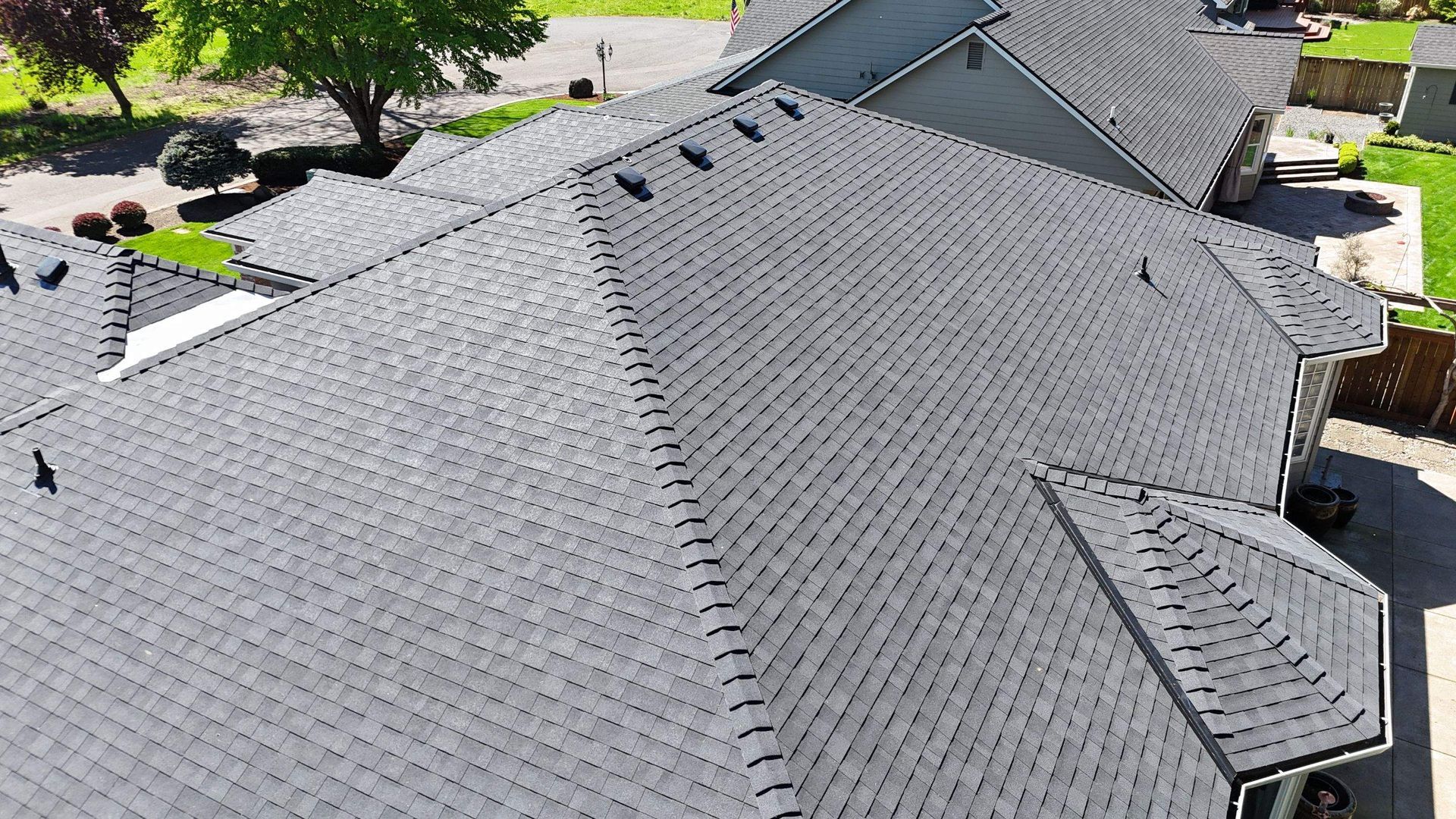
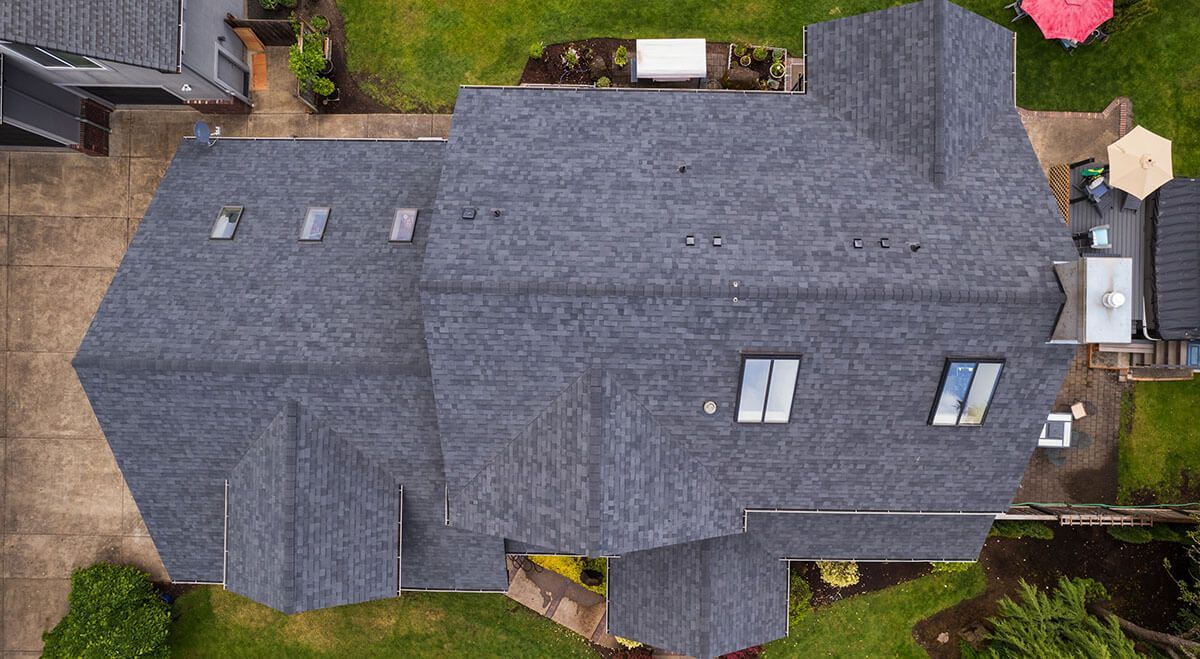
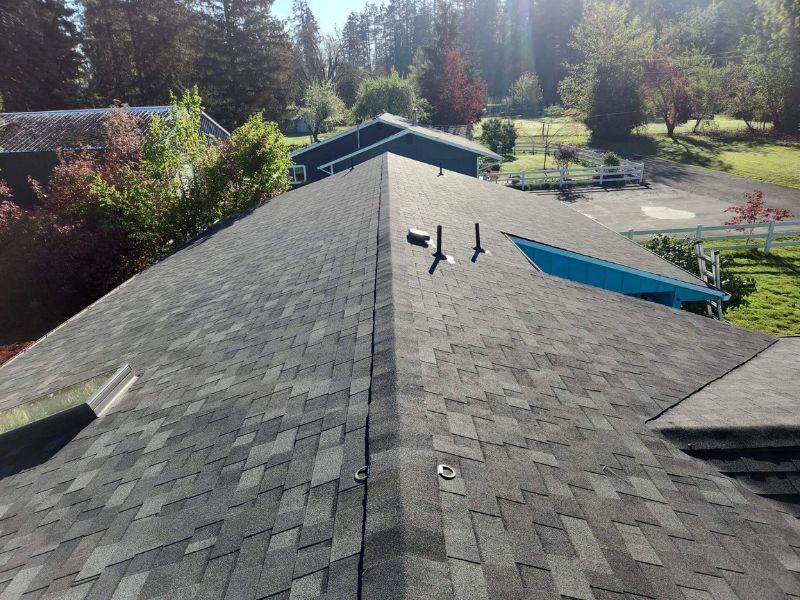
Architectural asphalt shingles are the practical baseline for most residential roofs in the area. They handle the temperature range, the snow load on a properly structured roof, and the UV exposure meaningfully better than three-tab products. Impact-resistant versions are worth a conversation given the hail exposure that comes with Central Oregon's storm track patterns.
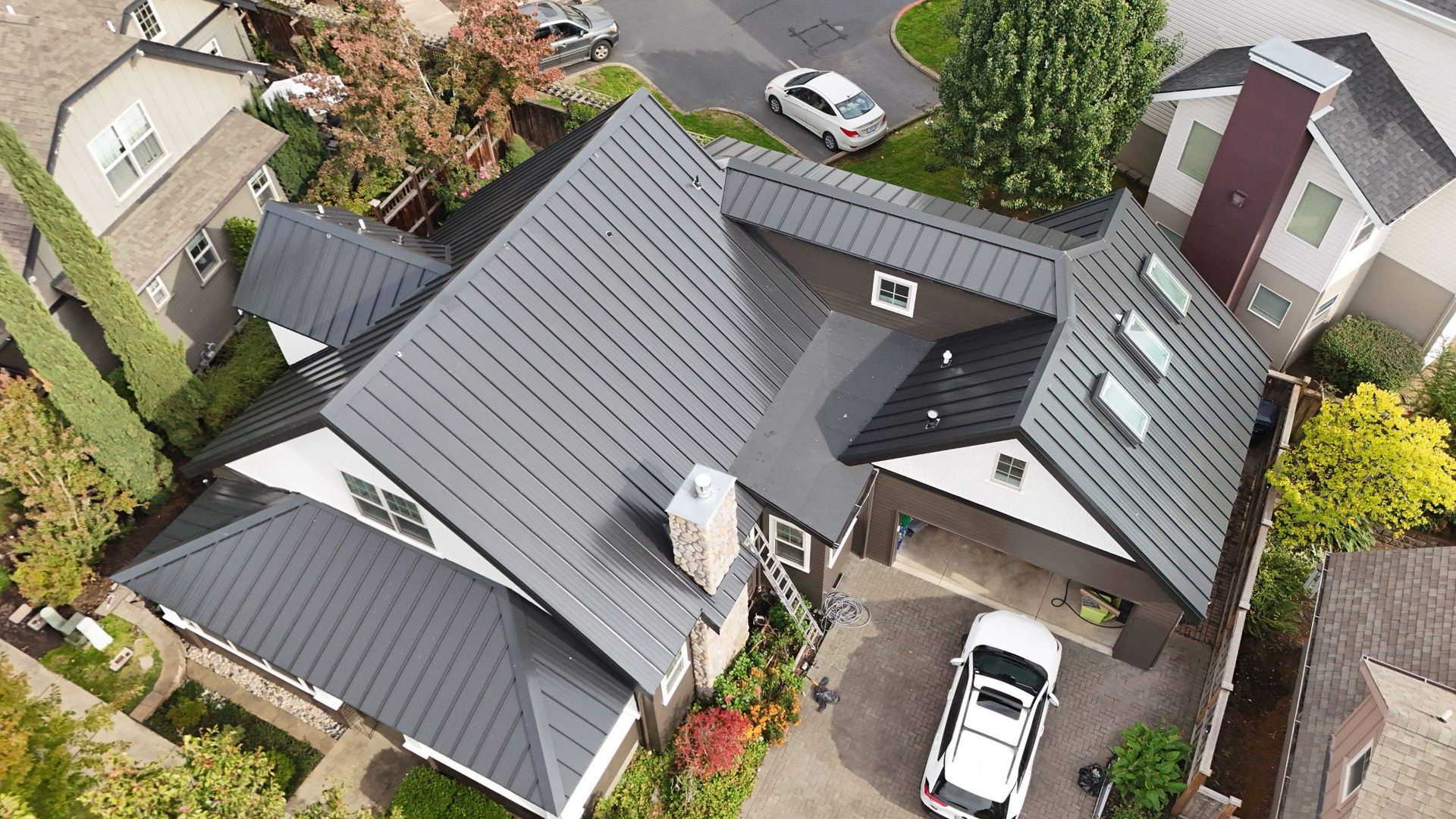
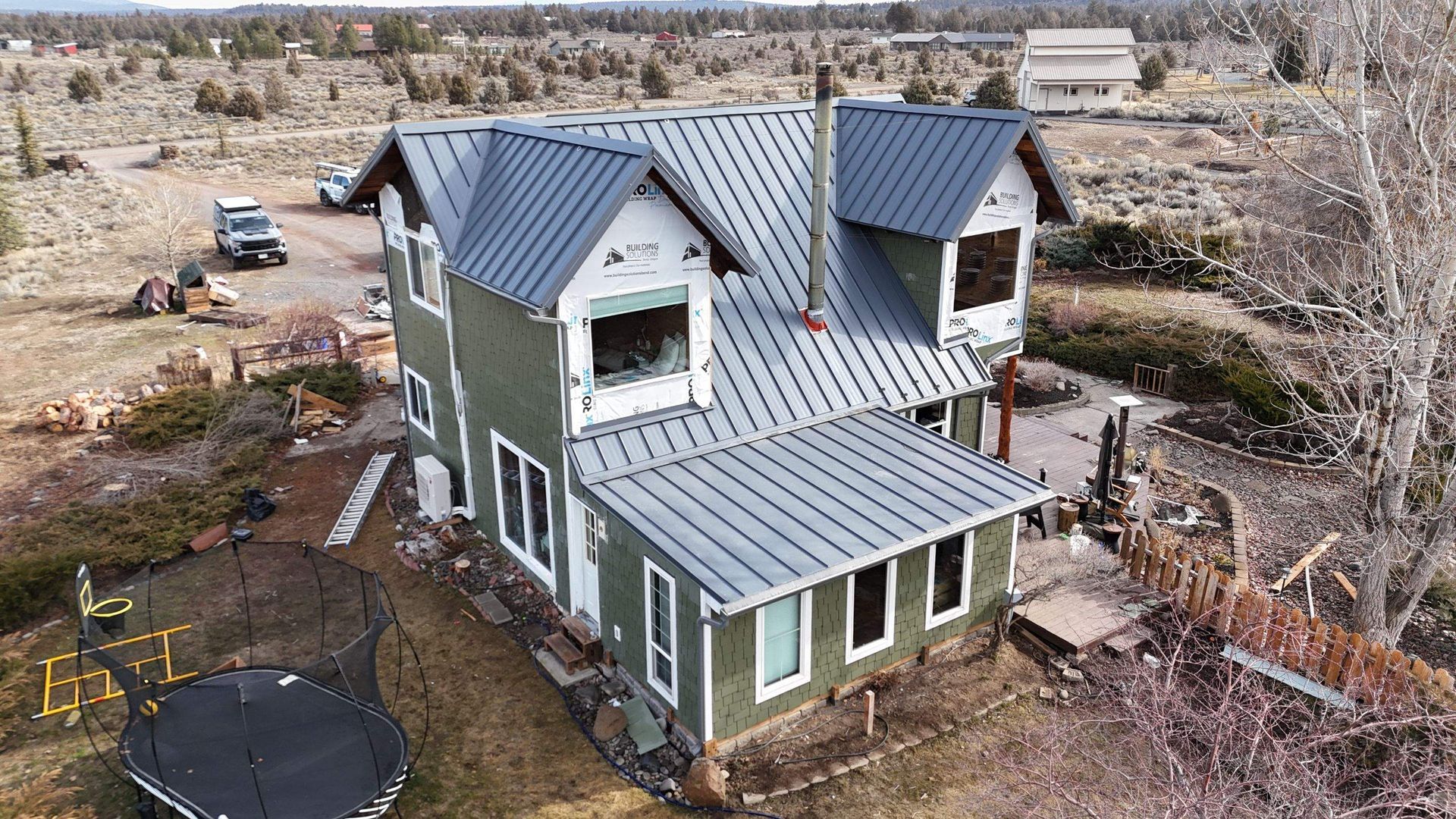
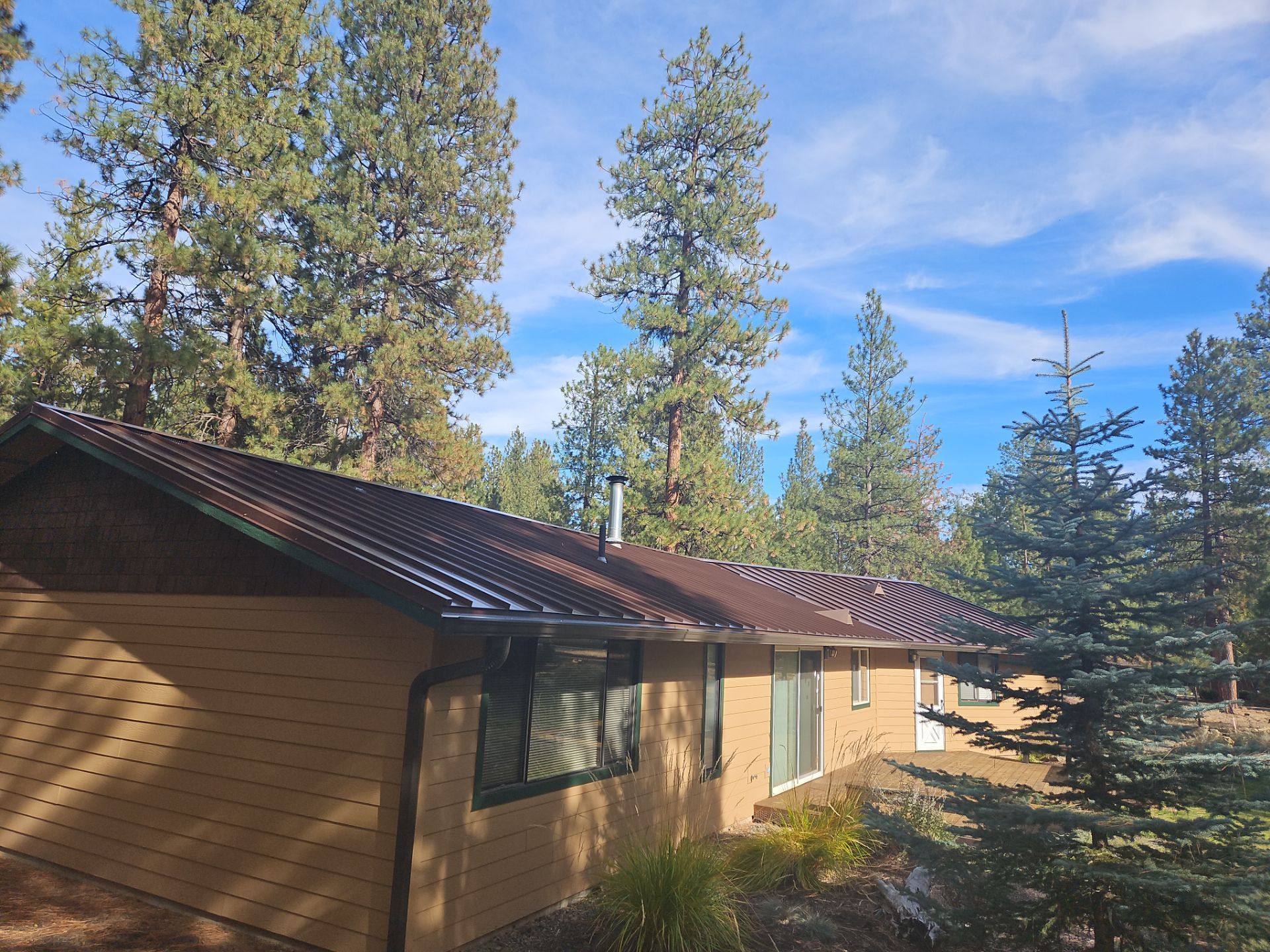
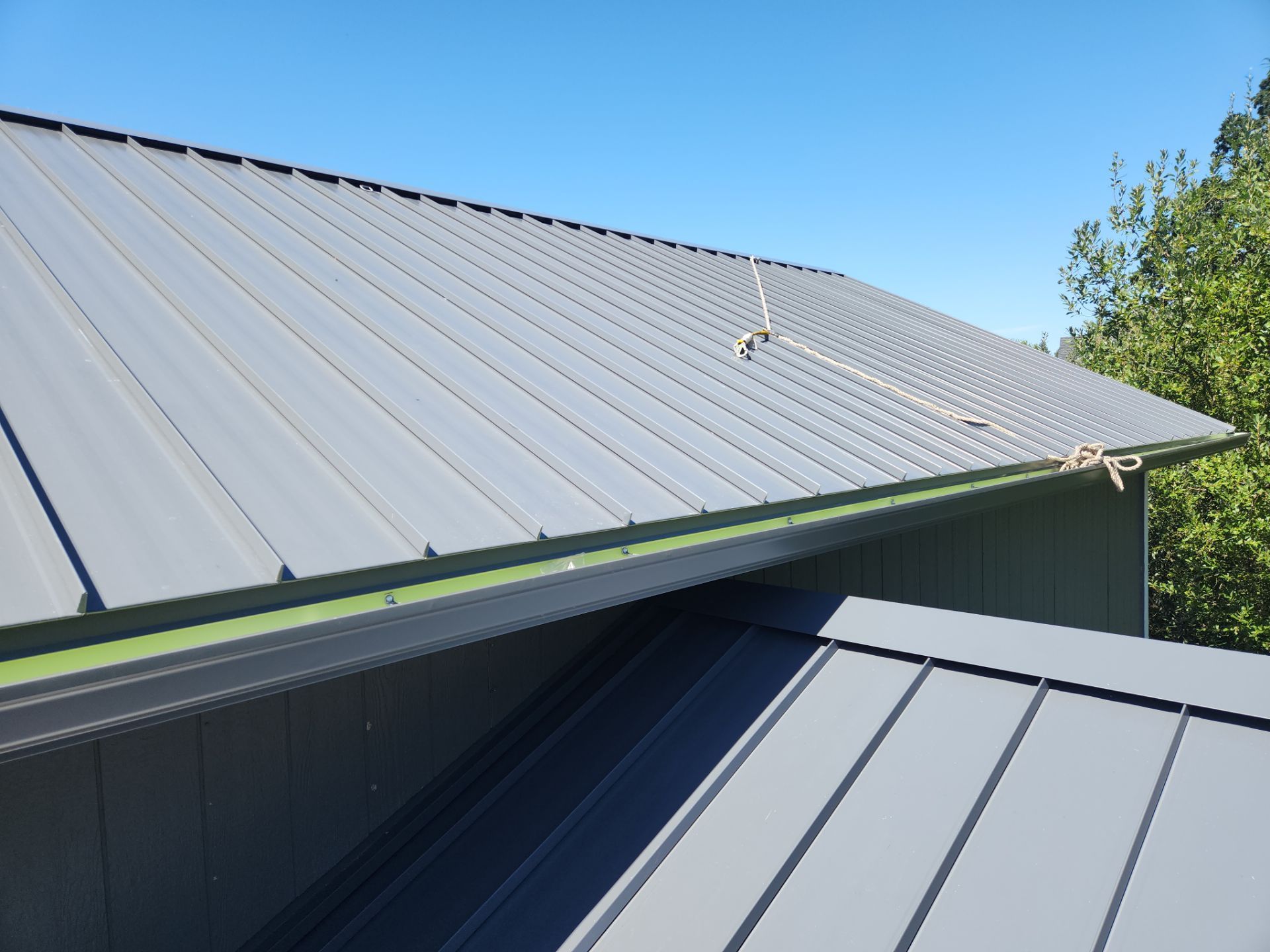
Metal roofing is an increasingly practical choice for homeowners planning long-term stays. Metal sheds snow effectively rather than holding it, reflects UV significantly better than asphalt, and carries a lifespan that far outlasts multiple asphalt replacement cycles. The upfront cost is higher, but for a homeowner who plans to be in the property for 30 or 40 years, the math shifts considerably in metal's favor.
High Ridge Roofing is a Malarkey Emerald Pro Contractor and Owens Corning Preferred Contractor, giving homeowners access to enhanced warranty coverage that is only available through credentialed contractors. Material recommendations are based on the specific home, budget, and ownership timeline rather than defaulting to what is easiest to install.
High Ridge Roofing: Central Oregon's Certified Roofing Contractor
High Ridge Roofing and Gutters is a family-owned contractor with locations in Springfield and Bend, serving the Central Oregon region including Sisters. Owner Tim Childress leads a team with over 35 years of combined experience. CCB licensed, bonded, and insured. BBB A+ rated with over 140 five-star reviews across the service area. 24/7 emergency service available. Free inspections and no-pressure estimates are the starting point for every project.
Schedule a Free Roof Installation Estimate
Fall scheduling fills quickly as homeowners get ahead of winter across Central Oregon. Contact High Ridge Roofing for a free inspection and estimate. Call (541) 357-4953 to speak with the team directly.
Frequently Asked Questions About New Roof Installation
How does Central Oregon's climate affect roofing material selection?
The freeze-thaw cycle, high UV exposure, and snow load all factor into the recommendation. Architectural asphalt shingles with impact resistance handle the conditions well for most budgets. Metal roofing sheds snow more effectively and reflects UV better, making it worth the higher upfront cost for homeowners planning a long-term stay in the property.
What is the best time of year to install a new roof in this part of Oregon?
Late summer through mid-fall is the optimal window. Temperatures support proper shingle adhesion and sealant curing, contractor availability is solid, and the new roof is fully installed before winter arrives. Cold weather installations require specific material handling and should be avoided when a better window is available.
How long does a new roof installation take?
Most residential installations in the area complete in one to two days depending on roof size, pitch, and what the deck inspection reveals after tear-off. High Ridge Roofing provides a clear timeline before work begins and communicates any changes before proceeding with additional scope
What certifications does High Ridge Roofing hold?
High Ridge Roofing is a Malarkey Emerald Pro Contractor, the highest certification level Malarkey awards, and an Owens Corning Preferred Contractor. Both designations require demonstrated installation quality, verified customer satisfaction, and full insurance coverage. They give homeowners access to enhanced manufacturer warranty protection that uncertified contractors cannot offer.
Does High Ridge Roofing handle permits for new installations in Oregon?
Yes. Permits are required for new roof installations and full replacements in Oregon. High Ridge Roofing handles the permit process as a standard part of every project. A contractor who skips permits creates compliance and insurance exposure for the homeowner that typically surfaces at the worst possible time, during a property sale or an insurance claim.
What warranty coverage comes with a High Ridge Roofing installation?
High Ridge Roofing backs qualifying installations with a workmanship guarantee covering labor. Manufacturer warranties on the roofing product run 15 to 25 years or longer depending on the product selected. Both warranties are reviewed before work begins, not presented in paperwork after the job is complete.