What Should I Do If My Roof Has Storm Damage?
Storm damage can significantly impact the integrity of your roof, making your home more susceptible to leaks, water damage, and structural problems. Addressing the issue promptly is crucial to avoid more costly repairs. Here’s a guide on how to handle roof
storm damage effectively.
Steps to Take When You Suspect Roof Storm Damage
1. Inspect the Roof for Damage
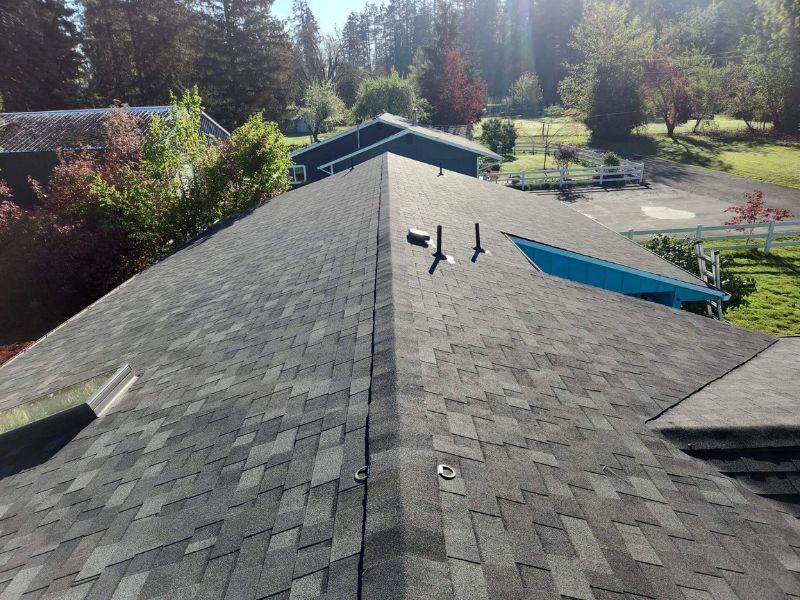
After a storm, the first step is to check your roof for signs of damage. Look for missing or damaged shingles, as high winds often lead to broken or curled shingles. Wind-damaged roof shingles can expose the underlayment and allow water to seep through, potentially causing leaks. Also, check for dents in metal components, debris on the roof, or damaged flashing around chimneys and vents. Sometimes, storm damage is not immediately visible, so be thorough in your inspection.
2. Document the Damage
Once you identify a storm-damaged roof, take photographs and detailed notes of the affected areas. This documentation will be essential if you need to file an insurance claim. Make sure to capture multiple angles, close-up shots of any visible damage, and signs of secondary issues like water stains on interior walls. This step ensures that you have sufficient evidence to support your claim for roof storm damage repair.
3. Make Temporary Repairs
If the damage is significant and there are areas at risk of further exposure to the elements, make temporary repairs to prevent additional damage. Use a tarp to cover any large holes or exposed sections and secure it with roofing nails or heavy-duty tape. Temporary repairs can help minimize water infiltration until a professional can carry out permanent fixes. However, be cautious when working on the roof, especially if it’s wet or steep.
4. Contact Your Insurance Company
Reach out to your homeowner’s insurance company to report the damage as soon as possible. The insurance claims process can be lengthy, and the sooner you start, the better. An adjuster will be sent to assess the storm damage and determine the extent of coverage. Having a comprehensive report and photographic evidence will help facilitate the process. Sometimes, it may be beneficial to get a second opinion from a qualified storm damage roofer to ensure all issues are identified.
5. Hire a Professional Roofing Contractor
While temporary repairs can prevent immediate damage, a professional inspection is essential for a complete assessment. A qualified roofing contractor will check for less obvious damage, such as hidden leaks, loose flashing, or granule loss on shingles. Hiring a contractor experienced in storm damage roof repair is vital to ensuring the repairs meet safety standards and extend the life of your roof. Choose a reputable contractor who offers storm damage repair services and can help you navigate the insurance claim.
6. Repair or Replace the Roof
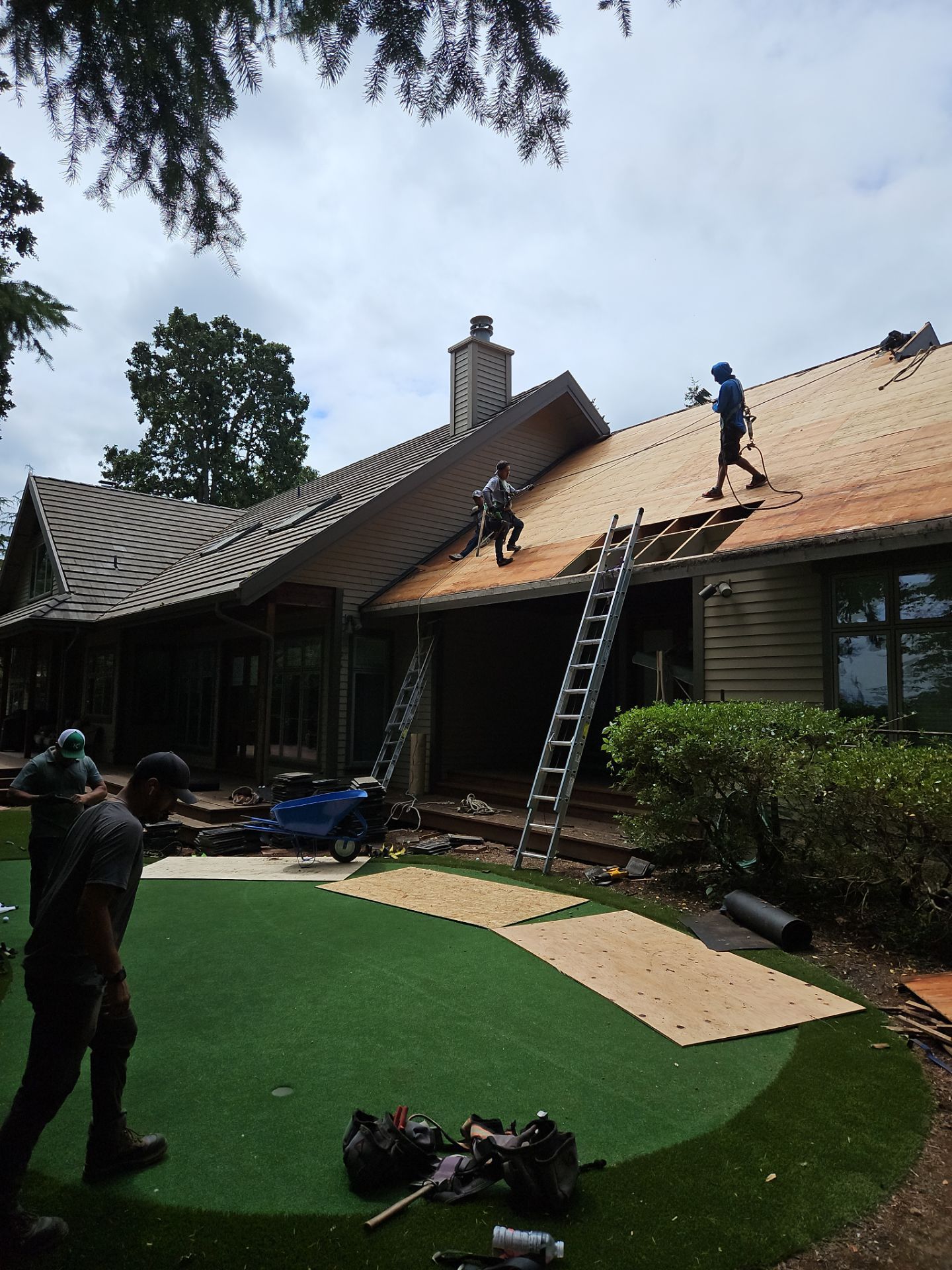
Depending on the extent of the damage, your contractor may recommend either repairing the affected areas or a complete roof replacement. For roofs with widespread damage, especially wind-damaged roof shingles or compromised structural elements, a replacement may be the best long-term solution. Ensure that high-quality materials are used for repairs or replacements, as this will provide better protection against future
Preventing Future Roof Storm Damage
Regular maintenance plays a key role in minimizing the impact of future storms. High Ridge Roofing & Construction provides preventive services like gutter cleaning, shingle replacement, and flashing inspections to keep your roof in top shape. Taking steps such as trimming nearby trees and ensuring proper water drainage can further reduce the risk of storm damage. When storm damage does occur, you can rely on High Ridge Roofing & Construction to restore your roof and protect your home. Reach out today to schedule an inspection and begin the repair process.