Comparing Gutter Contractors in Junction City, OR: What the Differences Actually Mean
Gutter Contractors in Junction City, OR: What Separates Quality Work From a Quick Install
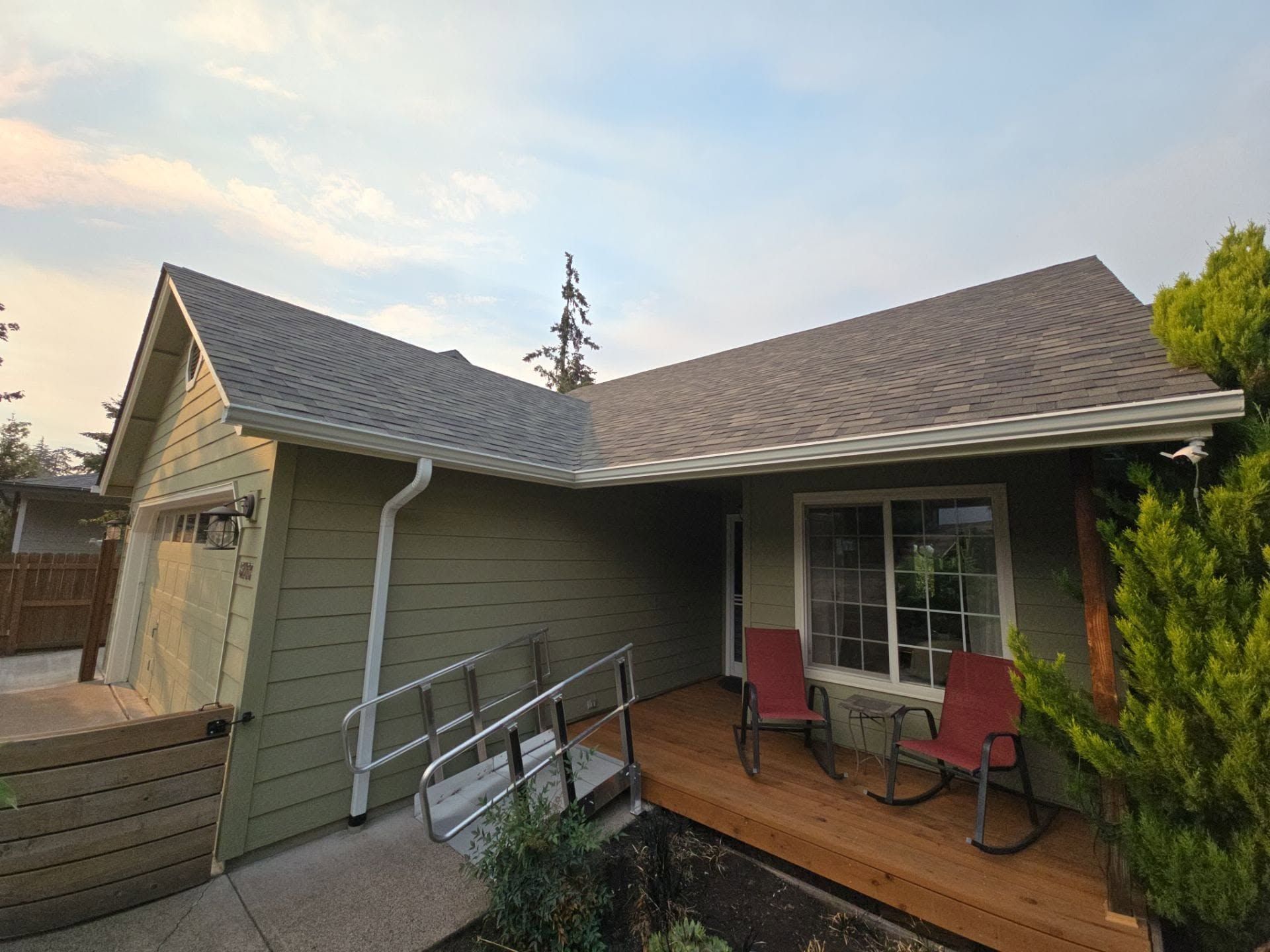
Junction City homeowners evaluating gutter contractors tend to receive proposals that look similar on paper. Seamless aluminum, standard hangers, basic downspout placement. The price range varies more than the descriptions suggest, and the variation is not random. It reflects differences in material gauge, hanger spacing, downspout sizing and placement, and whether the contractor actually assesses the specific drainage situation of the property or applies a standard system regardless of conditions.
High Ridge Roofing & Gutters serves Junction City and the surrounding Lane County area with gutter installation, repair, and replacement. The Willamette Valley rainfall that Junction City receives annually, typically in the 45 to 50 inch range with the bulk concentrated in the fall and winter months, tests gutter systems in specific ways that the installation has to account for. Here is the comparison framework that helps Junction City homeowners evaluate what they are being offered.
Gutter Gauge: The Material Difference That Is Not in the Proposal
Standard residential aluminum gutters are manufactured at .027 gauge. Heavier .032 gauge aluminum is more resistant to denting from debris impact and maintains its shape better under the weight of water, debris, and the occasional ice loading that Willamette Valley gutters experience in cold snaps. Most proposals simply describe seamless aluminum without specifying gauge, which means two proposals describing the same product may be describing meaningfully different materials.
In Junction City, where surrounding agricultural land and wooded areas contribute significant debris loading to gutters through fall and winter, the heavier gauge is worth the modest cost difference on most properties. Ask any contractor you evaluate to specify the gauge in writing rather than inferring it from the proposal description alone.
Hanger Spacing: What Holds the Gutter Up Over Time
Gutter hangers are the fasteners that attach the gutter to the fascia and carry the weight of water, debris, and ice loading through the Oregon wet season. Standard hanger spacing is typically 24 inches on center. Closer spacing, 16 to 18 inches, provides better load distribution and reduces the sagging that develops over time in higher-load applications.
Junction City's rainfall pattern concentrates heavy volume through the fall and winter months. A gutter running full of water and debris is heavier than the same system in a low-rainfall environment. Proper hanger spacing accounts for that real-world load rather than being specified to minimum standards. High Ridge installs gutters with appropriate spacing for Oregon conditions rather than the minimum that gets the job done on paper.
Downspout Sizing and Placement: The Part That Is Never in the Photo
The downspout is where the gutter system actually delivers its drainage function. Undersized downspouts restrict flow and cause the gutter to back up during peak rainfall events, which is exactly the condition the system exists to prevent. Standard residential downspouts in many markets are 2x3 inch rectangular. For Willamette Valley properties with significant roof area draining into a single gutter run, 3x4 inch downspouts or round four-inch equivalents handle peak flow more reliably.
Placement matters as much as sizing. Downspouts that discharge water adjacent to the foundation, against basement walls, or into low areas that drain back toward the structure have not solved the water management problem regardless of how well the gutter above them functions. High Ridge evaluates downspout placement as part of every Junction City gutter proposal rather than defaulting to standard locations.
Fascia Condition: What Gets Missed When Only the Gutter Is Evaluated
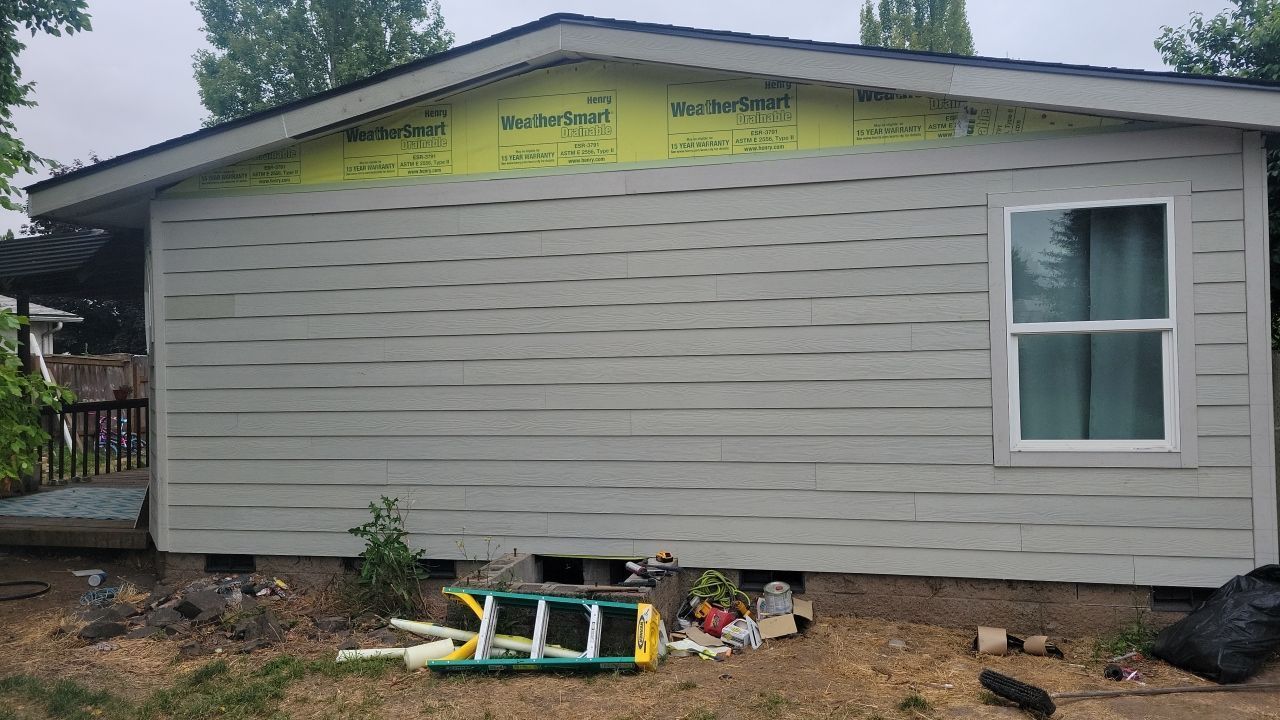
The fascia board that the gutter attaches to is part of the installation system. Fascia that has softened from moisture contact behind a failing gutter cannot hold new fasteners correctly. A gutter installed into deteriorated fascia will pull away within a few seasons regardless of the gutter quality. Assessing fascia condition before installation and addressing any rot or moisture damage before the new gutter goes on is the right sequence.
High Ridge includes fascia assessment as part of every Junction City gutter evaluation. Any wood work needed is identified before the installation quote is finalized rather than appearing as a surprise after the project starts. Free estimates throughout Junction City and Lane County. Call (541) 357-4953 or contact High Ridge.
High Ridge Roofing & Gutters: Junction City and Lane County
High Ridge Roofing & Gutters serves Junction City and the surrounding Lane County area from its Springfield office at 1265 35th Street. Tim Childress leads the team with over 35 years of combined Oregon roofing and exterior experience. CCB License #219802. Malarkey Emerald Pro Contractor. Owens Corning Preferred. BBB A+. 140+ five-star reviews. Free inspections and estimates. 24-hour emergency service. Call (541) 357-4953 or contact High Ridge.
Schedule a Free Gutter Estimate in Junction City
For a free gutter installation or replacement estimate in Junction City, call (541) 357-4953 or contact High Ridge Roofing & Gutters online.
Frequently Asked Questions About Gutters in Junction City, OR
What should I look for when comparing gutter contractors in Junction City?
Ask each contractor to specify gutter gauge in writing rather than just describing seamless aluminum. Ask about hanger spacing and whether it accounts for Oregon wet-season load. Ask how downspout sizing and placement are determined for the specific property. Ask whether fascia condition is assessed before installation. High Ridge addresses all of these through its standard evaluation on every Junction City gutter project.
What gutter size works best for Junction City, OR homes?
Six-inch K-style gutters are the more capable choice for most Junction City properties given the Willamette Valley rainfall volume concentrated in fall and winter months. The capacity difference between five-inch and six-inch gutters is meaningful during peak rainfall events. Downspout sizing should match, with 3x4 inch or four-inch round downspouts providing better peak flow handling than standard 2x3 inch on higher-volume applications.
Why does hanger spacing matter for gutters in Junction City?
Hanger spacing determines how well the gutter supports the weight of water and debris during Oregon's wet season. Standard 24-inch spacing is the minimum in many markets. Closer spacing, 16 to 18 inches on center, distributes the load more evenly and reduces sagging that develops over time under repeated heavy loading. Junction City's concentrated fall and winter rainfall makes this a meaningful consideration rather than a cosmetic one.
Does High Ridge assess fascia condition before installing gutters in Junction City?
Yes. Fascia condition is assessed during every High Ridge gutter evaluation in Junction City and the surrounding Lane County area. Deteriorated fascia from moisture contact behind an existing failing gutter cannot hold new fasteners correctly and must be addressed before the new system goes on. Any needed fascia work is identified before the installation quote is finalized.
How often should gutters be cleaned in Junction City, OR?
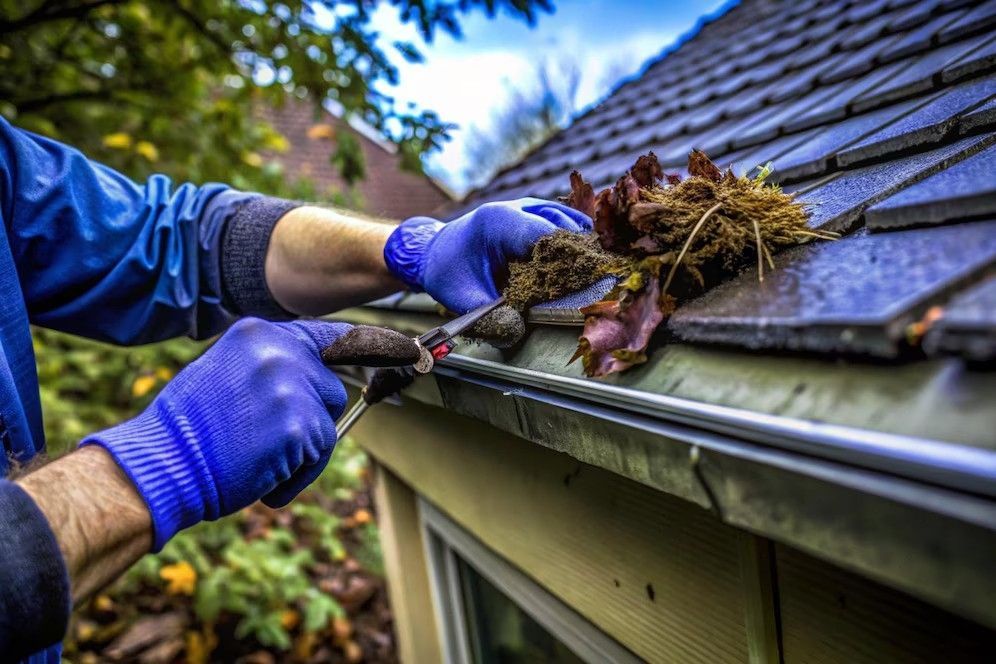
Most Junction City properties benefit from cleaning at least twice per year given the Willamette Valley's significant leaf debris volume in fall and the moss and biological growth that establishes through the wet season. Properties adjacent to agricultural land or with significant tree canopy may need more frequent attention. Gutter guards reduce but do not eliminate maintenance requirements in this environment.
Does High Ridge serve all of Junction City and Lane County?
Yes. High Ridge Roofing & Gutters serves Junction City and surrounding Lane County communities including Eugene, Springfield, Creswell, Cottage Grove, Florence, and Albany from its Springfield office. Call (541) 357-4953 to confirm service for a specific Junction City address or to schedule a free estimate.