

Snow Load on Bend Roofs: How to Tell When Accumulation Becomes a Structural Problem
Snow depth can look alarming or harmless, and neither tells you what your roof structure is actually carrying.
Get a free inspection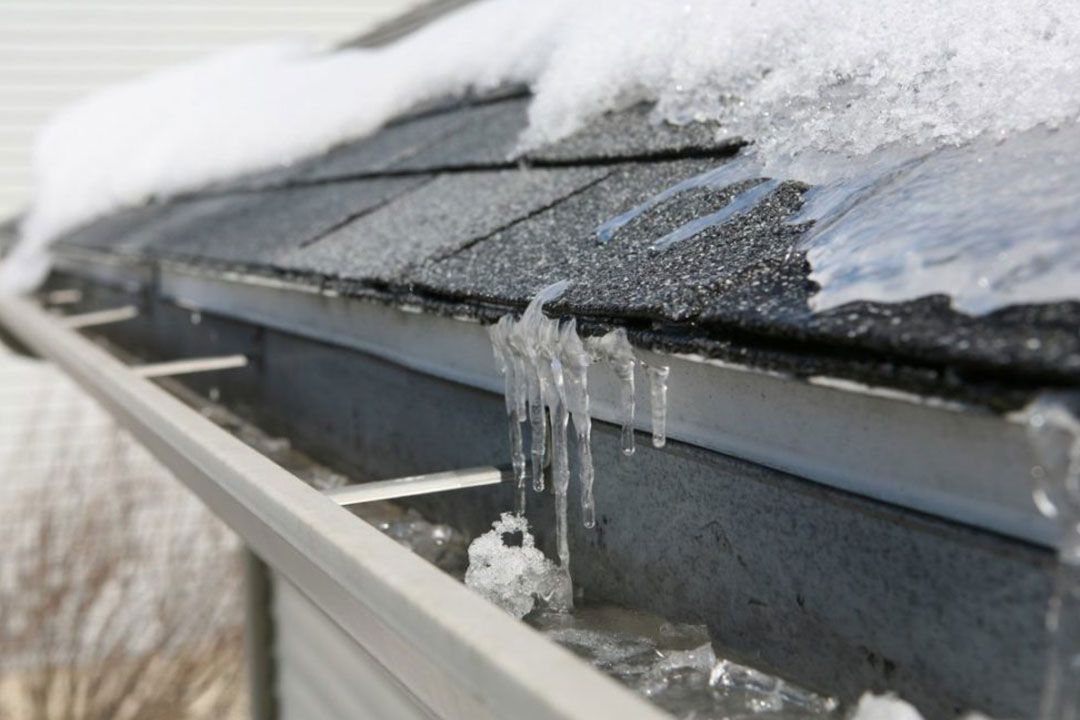
Bend winters deliver snow in volume, and every year homeowners look up at a loaded roof and wonder whether what they are seeing is normal or a problem developing. The question is reasonable and the answer is less intuitive than most people expect, because the depth of snow on a roof tells you very little about the load it is placing on the structure.
What matters is weight, and weight depends on density. Understanding how snow load actually works, and what signs indicate a roof is under real stress, gives you a practical basis for deciding when to act and when to leave it alone.
In this guide
Why Snow Depth Is a Poor Measure of Roof Load
Fresh powder snow weighs roughly 3 to 5 pounds per cubic foot. Settled snow that has been on the roof for a week or more compacts to something closer to 12 to 18 pounds per cubic foot. Wet, heavy snow that falls near the freezing mark can reach 20 pounds per cubic foot or more. Ice, which forms when snow melts and refreezes, weighs about 57 pounds per cubic foot.
This range means two roofs with identical snow depth can be carrying wildly different loads. Three feet of fresh powder on a Bend roof might weigh around 12 pounds per square foot. Three feet of settled, partially melted and refrozen snowpack could weigh 45 pounds per square foot or more. The visual appearance is similar. The structural demand is not comparable.
The practical implication is that homeowners should pay attention to the weather history behind the snowpack rather than the depth alone. A winter with repeated melt and refreeze cycles builds a denser, heavier pack than a winter of consistent cold and fresh accumulation, even when the measured depth is the same.
What Bend Roofs Are Designed to Carry
Residential roofs in Bend are designed and permitted to a ground snow load specified by local code, which accounts for the region's typical winter accumulation with a safety margin built in. Homes built to current code in Bend have meaningful structural capacity for a normal winter.
Older homes are a different consideration. Homes built before current snow load standards were adopted may have been designed to lower load requirements. Additions, enclosed porches, and converted spaces are also worth attention, since those structures were sometimes built to lighter standards than the main house.
Roof geometry matters as much as the design load. Low-slope and flat roof sections hold snow rather than shedding it, so accumulation builds without the natural relief a steeper pitch provides. Valleys where two roof planes meet collect drifted snow from both planes, concentrating load in a narrow area. Areas below a higher roof section accumulate snow that slides off the upper roof, creating localized drift loads that can substantially exceed the load on the surrounding roof.
Warning Signs That Indicate Real Structural Stress
Several signs point to a roof carrying more load than it should. Doors or windows on the top floor that suddenly stick or become difficult to operate indicate the frame is being deflected by structural movement above. This is one of the more reliable early warnings and it is easy to miss because it is easy to attribute to humidity or normal seasonal swelling.
New cracks in interior drywall, particularly at the corners of door and window openings on the upper floor, suggest the structure is flexing. Sagging visible in the ceiling line, or a ceiling that has developed a noticeable dip, is a more advanced indicator.
From the attic, visible deflection in the rafters or trusses, creaking or popping sounds under load, and any separation at connection points between structural members are signs that warrant immediate attention. Any of these in combination with a heavy snow load on the roof is reason to contact a roofing professional promptly rather than waiting to see whether conditions improve.
When Snow Removal Is Warranted and How It Should Be Done
Snow removal becomes appropriate when accumulation is substantial, when the snowpack has gone through melt and refreeze cycles that have increased its density, when ice dams have formed at the eaves, or when any of the structural warning signs above have appeared.
How the removal is done matters significantly. Snow should be removed in layers from the roof surface rather than scraped down to the shingles, since scraping damages the granule surface and can tear shingles. Removal should be balanced across the roof rather than clearing one side completely, because unbalanced loading creates its own structural stress. Metal tools should not be used on a shingle surface.
Roof snow removal is also genuinely dangerous work. Icy roof surfaces, hidden hazards under the snow, and the weight of the snow being moved create real injury risk. For most Bend homeowners, hiring a professional with the right equipment and experience is the appropriate choice rather than attempting it from a ladder.
High Ridge Roofing Serves Bend and Central Oregon
High Ridge Roofing provides winter roof inspections, snow load assessment, and snow removal for Bend homeowners and property managers. Our inspections identify structural stress indicators, ice dam formation, and the drift load areas that are easy to overlook from the ground.
If you are concerned about accumulation on your roof this winter, schedule a roof inspection in Bend before conditions develop further.
Winter Roof Inspection Services in Bend, OR
A pre-winter inspection identifies the conditions that make snow load a problem: inadequate attic insulation and ventilation that drive ice dam formation, existing structural concerns, and drainage issues at valleys and low-slope sections.
Contact High Ridge Roofing to schedule a winter roof inspection in Bend, OR.
Frequently Asked Questions
How much snow can a Bend roof hold before it becomes dangerous?
There is no single depth figure because weight depends on snow density, not depth. Fresh powder weighs 3 to 5 pounds per cubic foot while a refrozen snowpack can exceed 20. Homes built to current Bend code have substantial capacity for a normal winter. The reliable approach is watching for structural warning signs rather than measuring depth against a threshold number.
What are the warning signs of too much snow on a roof in Bend?
The clearest early signs are doors or windows on the upper floor that suddenly stick, new cracks in drywall at door and window corners, and a visible dip or sag in the ceiling line. From the attic, look for rafter deflection, creaking under load, and separation at structural connections. Any of these under a heavy snow load warrants prompt professional assessment.
Should I remove snow from my roof in Bend every winter?
Not necessarily. Routine removal is unnecessary on a sound roof carrying normal accumulation. Removal becomes appropriate when accumulation is substantial, when melt and refreeze cycles have densified the snowpack, when ice dams have formed, or when structural warning signs appear. Unnecessary removal creates risk of shingle damage and personal injury without a corresponding benefit.
Why do valleys and lower roof sections accumulate more snow in Bend?
Valleys collect drifted snow from both adjoining roof planes, concentrating load in a narrow area. Roof sections below a higher plane receive snow that slides off the upper roof, creating localized drift loads well above the surrounding roof. These areas carry disproportionate load and are where structural problems tend to develop first, which is why inspection focuses there.
Can snow removal damage my roof in Bend?
Yes, if done incorrectly. Scraping down to the shingle surface removes granules and can tear shingles. Metal tools damage shingle surfaces. Clearing one side of the roof completely while leaving the other loaded creates unbalanced structural stress. Proper removal takes snow off in layers, stays balanced across the roof, and uses tools that will not contact the shingle surface directly.
Does attic insulation affect snow load problems on Bend roofs?
Indirectly but significantly. Inadequate insulation lets heat escape into the attic, melting the underside of the snowpack. That meltwater refreezes at the colder eave, forming ice dams and increasing snowpack density. Better insulation and ventilation keep the roof deck colder, which reduces melt and refreeze cycling and keeps the snow load lighter and more likely to shed naturally.
Worried about the weight up there?
Free inspections are available, so you can have the roof and its trouble spots looked at before the next heavy snowfall. Call (541) 357-4953 or contact us online.
Get a free inspection